Diplomacy rarely moves in a straight line. Right now, Washington and Tehran are discovering that the hardest part of ending a crisis isn't agreeing on what needs to happen, but figuring out who moves first.
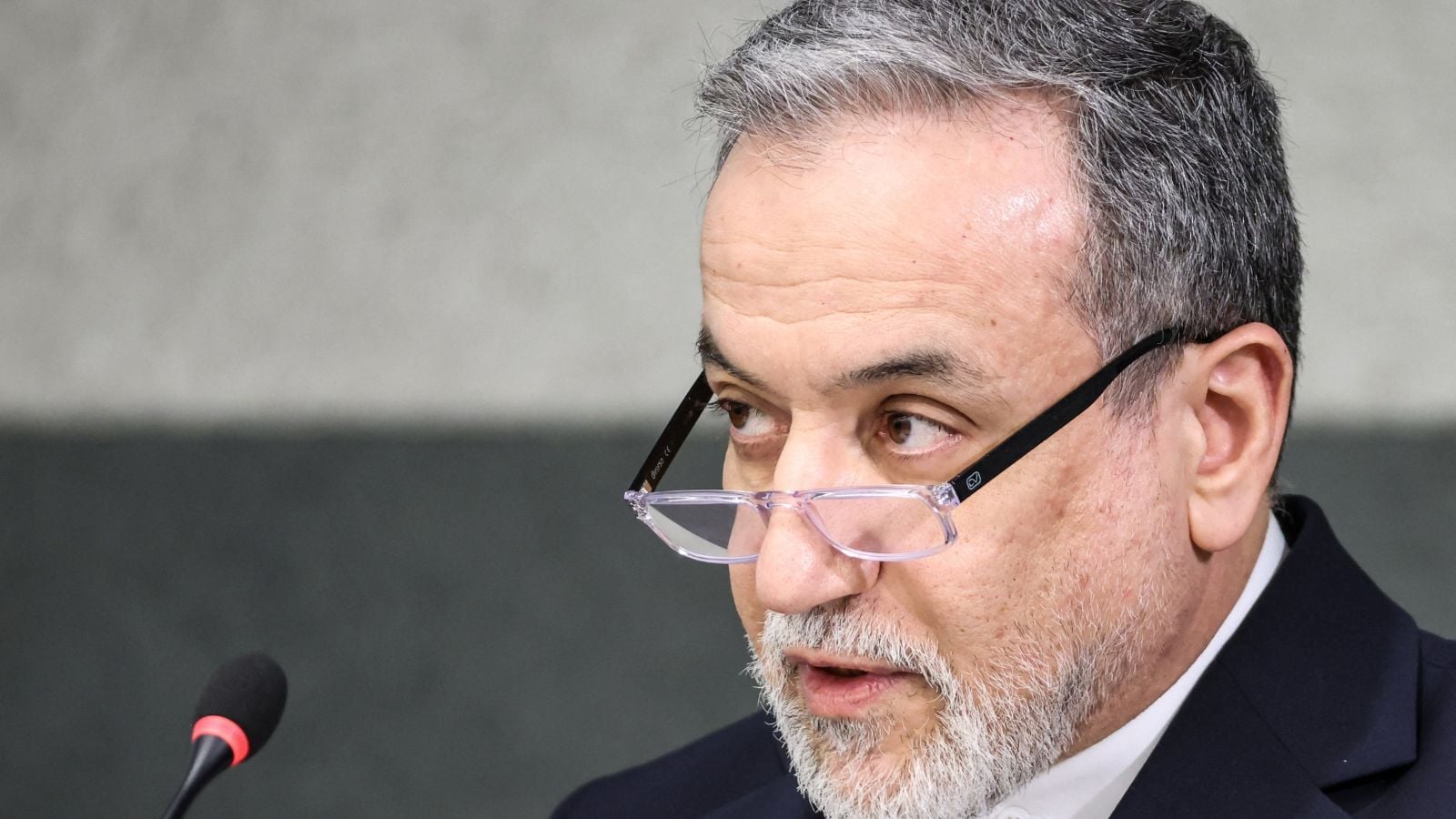
Iranian Foreign Minister Abbas Araqchi just received official US feedback on a proposed seven-day trust-building plan. The exchange happened through Qatari mediators in Doha. If you've been following the standoff over the Strait of Hormuz and the broader nuclear stalemate, you know that keeping communication lines open is half the battle. But bridges aren't built in a day, and the current sticking point is remarkably simple yet intensely difficult to solve: sequencing.
What Is Inside The Seven Day Plan
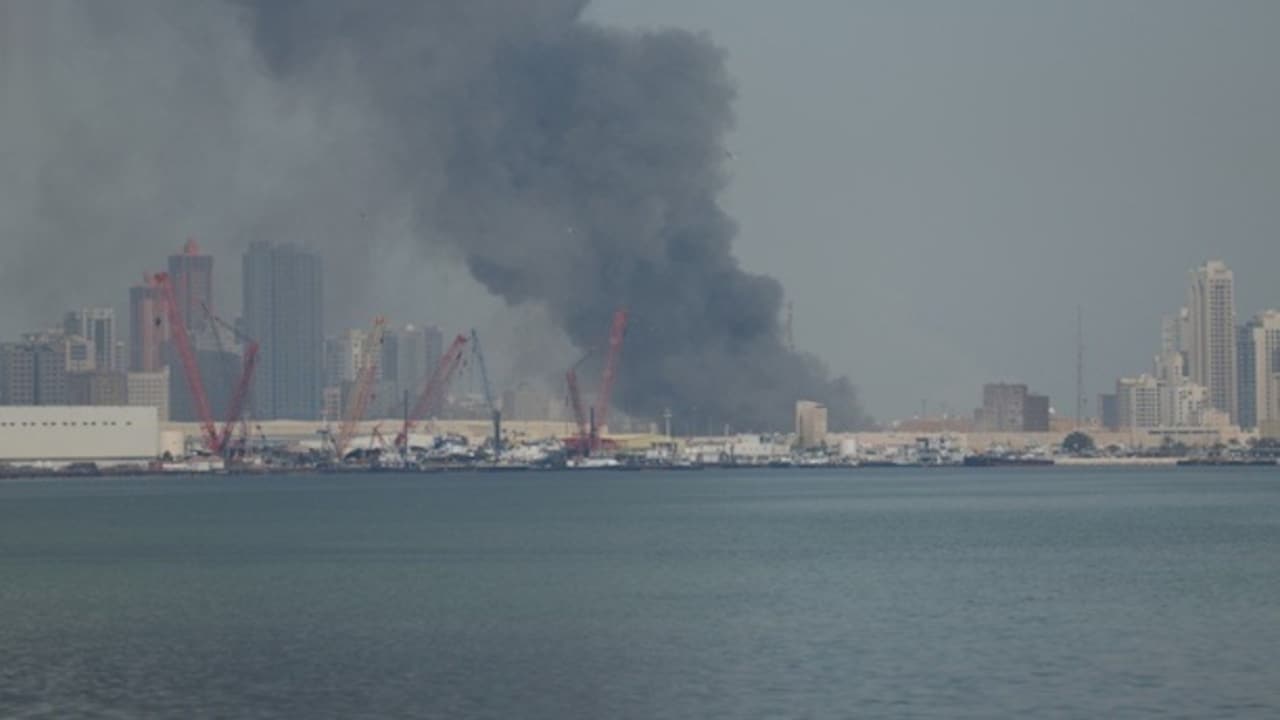
Iran pitched a week-long framework designed to de-escalate tensions and restore normal maritime passage through the crucial Strait of Hormuz. Under the original pitch laid out by Araqchi, reopening the strait and returning to compliance hinges on a strict timeline.
The document currently floating between capitals envisions a week of synchronized actions. It draws heavily on an enhanced version of the memorandum of understanding previously discussed in June. That earlier agreement managed to secure a brief ceasefire before things fractured again.
Here is what people usually miss about these negotiations. The core components of the deal aren't even the problem. Both sides roughly understand the landing zone regarding Iran's nuclear program and commercial shipping safety. The real argument is about order. Does Tehran lift restrictions on the water first, or do sanctions relief measures kick in immediately? Neither side wants to blink first, fearing the other will pocket the concession and walk away.
The Role Of Qatari Mediators
Without backchannels, we would be in a much darker place right now. Qatar has quietly stepped into the role of chief diplomatic courier. When Araqchi returned from the United States, Qatari officials met his team to deliver the direct response from Washington.
President Donald Trump previously pushed back against the initial proposal, which triggered a fresh round of shuttle diplomacy. Qatar's involvement keeps the dialogue alive even when public posturing turns hostile. When leaders refuse to sit at the same table, third-party messaging is the only engine keeping peace talks moving forward.
What Happens Next In Tehran
Araqchi is back in Tehran reviewing the counter-proposals and feedback handed over by Doha. The immediate reaction of domestic hardliners in Iran will dictate whether this process survives the week.
If you are tracking how international crises de-escalate, watch for small, verifiable gestures rather than sweeping announcements. A sudden drop in hostile rhetoric or a quiet signal from maritime authorities will tell you more than official press releases ever will. The timeline is tight, and the margin for error is shrinking by the hour. Expect rapid developments as Tehran weighs its next move.