Diplomacy rarely breaks down over major goals. It usually dies in the plumbing.
Right now, Washington and Tehran actually agree on the destination. They want to reopen the critical Strait of Hormuz, restore some semblance of economic stability, and steer away from total regional collapse. Yet, a clever seven-day trust-building proposal floated by Iran has hit a wall. Why? Because neither side can agree on who moves first.
If you've been watching the back-and-forth mediated by Qatar, you know the core dispute isn't about the components of the deal itself. It is entirely about sequencing. Who opens the valve first? Who eases sanctions first? In high-stakes geopolitical poker, letting the other person go first feels like signing your own surrender.
The Anatomy of the Seven Day Proposal
The blueprint on the table looks straightforward on paper. It outlines a seven-day window designed to drag both nations back to an enhanced version of the framework agreement hashed out back in June. That June memorandum of understanding briefly paused the bloodshed, addressing everything from Iran’s contested nuclear program to international maritime traffic through the Strait of Hormuz.
Then it fell apart. Quickly.
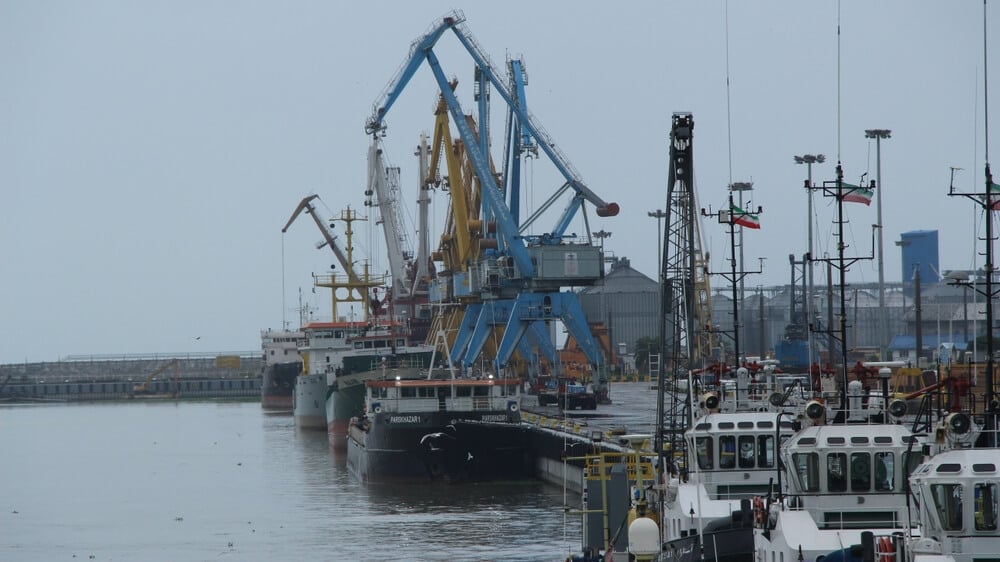
Iran's latest pitch aims to revive that momentum through a staged sequence. Tehran wants the U.S. and its partners to dial back the financial chokehold and naval blockades that have severely crippled its oil exports. In return, Iranian officials claim they will take steps to ensure safe passage through the strait, which normally handles roughly a fifth of global crude oil and LNG supplies.
President Donald Trump didn't mince words when the plan first landed on his desk. He publicly rejected the initial proposal, calling it inadequate and insisting that Tehran is failing on the battlefield. Even so, diplomacy thrives in the shadows. Qatari intermediaries quickly picked up the pieces, shuttling between capitals to bridge the gap.
Why Sequencing is the Ultimate Dealbreaker
When Foreign Minister Abbas Araghchi received Washington's formal feedback through Qatari channels, the true friction point came into sharp focus.
The disagreement is not about what needs to be done. It is about when.
Washington wants ironclad guarantees up front. American strategists demand concrete, verifiable rollbacks of nuclear activities and the total reopening of maritime shipping lanes before any major sanctions relief takes effect. From the White House's perspective, giving up economic leverage before Tehran complies leaves them exposed.
Tehran sees it through an entirely inverted lens. Iranian leadership argues that years of broken promises and sudden military escalations mean they cannot trust a verbal guarantee. They want to see tangible economic breathing room and a rollback of the blockades as the initial trust-building gesture.
Neither side is willing to blink first. Trust is a scarce commodity when missiles have been flying for months, and oil prices hover stubbornly above $104 a barrel, keeping global markets on edge.
What Happens When Middle East Diplomacy Stalls
Global markets hate ambiguity. When JPMorgan analysts admitted they had lost clear visibility on oil price trajectories and could no longer model an endgame, it sent a shudder through financial sectors.
The longer Washington and Tehran argue over who takes step one, the higher the economic and human toll climbs. Energy markets remain hypersensitive to every signal coming out of Doha and Washington. Meanwhile, domestic political pressures are mounting inside the U.S. as midterm elections approach, making the White House fiercely averse to looking weak or conceding too much too early.
The seven-day plan represents a genuine window to halt the spiral. But windows close fast when policy is driven by mutual suspicion. Until one side finds a creative way to overlap the initial steps rather than forcing a strict linear sequence, this diplomatic chess match will stay stuck in place.
Look past the public posturing and rejection rhetoric. The real battle isn't over the terms of peace. It's about who blinks first in a room full of hardliners.