War logistics rarely make sense on a tactical level, but they reveal a grim strategic shift. When a warehouse storing fast-food supplies gets bombed twice in a single day, you know the playbook has changed.
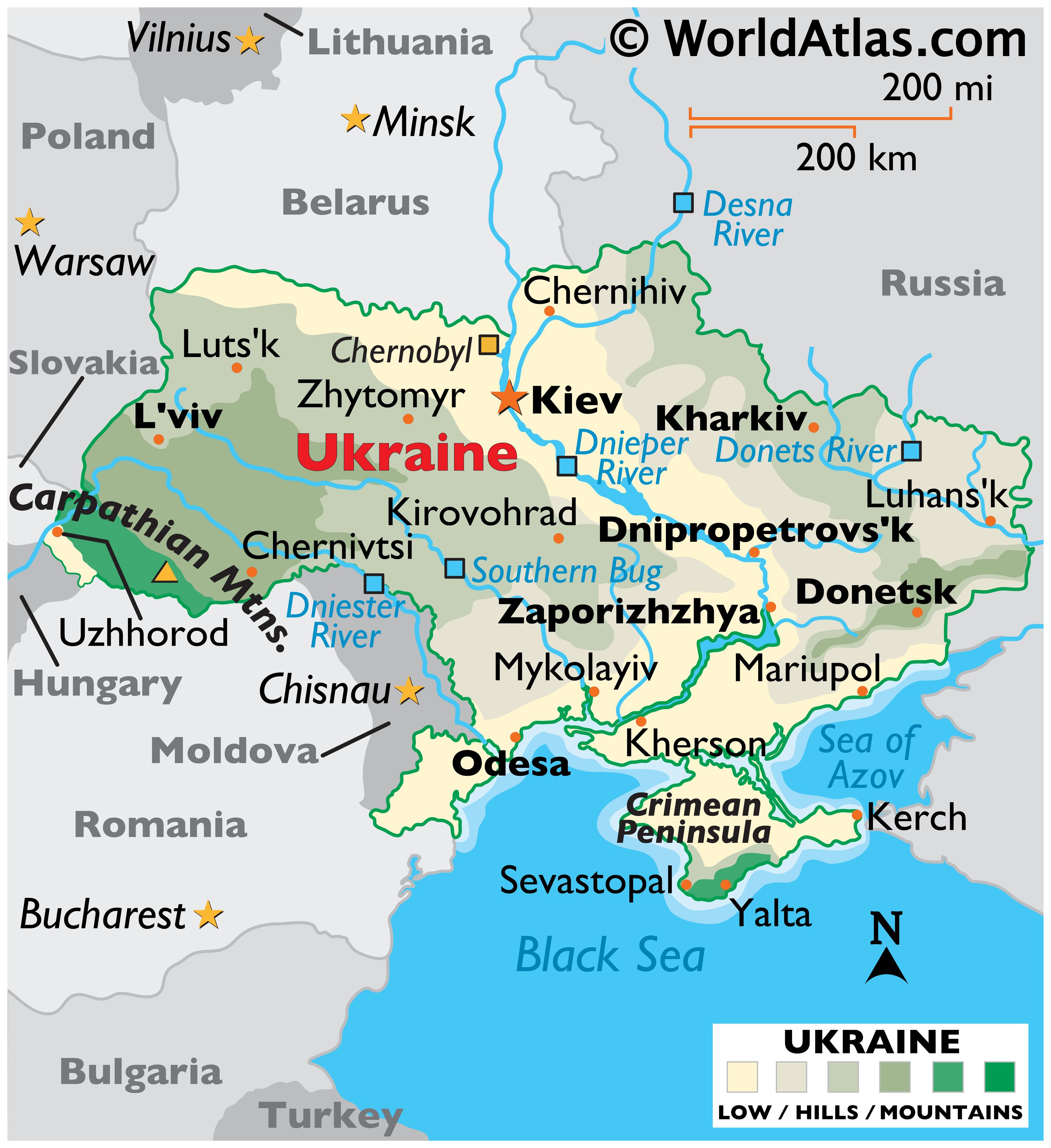
Russian drone strikes hit a major civilian food storage facility in the Brovary district of Kyiv, a site operated by the logistics partner of U.S. fast-food giant McDonald's. Ukrainian authorities confirmed that five people were killed and dozens injured across the capital during the assault.
Why hit a refrigerated food warehouse? It isn't about military hardware. There are no tanks hidden behind crates of burger buns. Instead, Moscow's ongoing strategy relies on systematic economic erosion.
The Anatomy of the Brovary District Strike
The facility didn't just take a glancing blow. According to Kyiv Regional State Administration head Tymur Tkachenko, the site faced two distinct waves of attacks.
The first drone arrived around 3:00 AM. The second hit later during daylight hours, sparking a massive fire that completely destroyed the section housing refrigerated food products.
President Volodymyr Zelenskyy didn't mince words on Telegram. He called it an attack drone used directly against ordinary food, highlighting a broader campaign to destabilize everyday urban existence.
When you target supply chains, data centers, and internet providers, you aren't fighting soldiers. You are trying to make normal life impossible.
Beyond the Fast Food Supply Chain
The strike on the McDonald's-linked warehouse was part of a much larger, coordinated barrage across Kyiv and surrounding regions.
In the Solomianskyi district, a daytime drone strike flattened part of an office building, killing four people instantly and injuring seven others, including a child. Another residential strike earlier in the morning claimed the life of a 14-year-old boy in the Pecherskyi district.
Vitali Klitschko and local emergency services scrambled to manage fires breaking out across multiple districts. Datagroup, a local telecommunications company, also confirmed structural impacts to a data center, though they managed to keep services afloat using backup systems.
What This Strategy Means for International Business
Global corporations operating in Ukraine face an impossible reality. Insurers pull back. Logistics chains break down. Employees live under the constant threat of air raid sirens.
Yet, international brands staying operational represent a psychological lifeline for the local economy. Keeping doors open means maintaining a semblance of normalcy.
By striking distribution nodes tied to multinational companies like McDonald's, the Russian military sends a clear, chilling message to foreign investors: nowhere is safe, and civilian infrastructure supporting commerce is a primary target.
Expect tougher security measures, heavier reliance on decentralized warehousing, and even louder calls from Kyiv for tighter international sanctions and advanced long-range air defense capabilities. Ukraine's ability to keep its economy breathing depends entirely on whether international allies can plug the gaps in the sky.