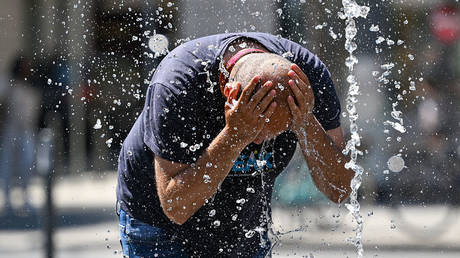
A massive climate shift is brewing in the Pacific, and the numbers being thrown around are terrifying. Fresh research from the Climate Impact Lab warns that an incoming super El Nino could trigger over 450,000 excess heat-related deaths worldwide. That is not a distant sci-fi projection. It is a near-term crisis.
You have probably heard of El Nino before. It is a natural warming cycle in the tropical Pacific Ocean that routinely wreaks havoc on global weather systems, starving some areas of rain while flooding others. But this time, scientists tracking ocean temperatures and atmospheric feedback loops point toward an event that could shatter past records. If you found value in this post, you might want to read: this related article.
The Human Toll and Where It Hits Hardest
When global temperatures spike, the impact is never distributed equally. Wealthier nations with robust infrastructure, widespread air conditioning, and early-warning systems can absorb the blow. Developing nations cannot.
The projections from the University of Chicago-linked researchers paint a grim picture for the Global South. Over the upcoming months of peak impact, nations across Africa's Sahel region are expected to absorb tens of thousands of casualties. Nigeria and Sudan alone face staggering loss projections. Indonesia, India, and Brazil stand on the front lines too, facing intense spikes in mortality rates driven entirely by wet-bulb temperatures and sustained heatwaves. For another angle on this development, refer to the latest update from The Guardian.
Even wealthy countries will not escape entirely. The United States is projected to record several thousand additional heat deaths during the peak months.
Michael Greenstone, a co-founder of the Climate Impact Lab, noted that these estimates represent real people—parents, children, and neighbors—rather than abstract statistics. Yet, policy responses often lag behind the data until bodies pile up in morgues.
Why This Cycle Feels Different
We are coming off a brutal baseline. Recent climate monitoring data showed global temperatures hitting heights not experienced in recorded human history. Summer heatwaves across Europe and North America broke records, turning cities into outdoor ovens.
When you layer a super El Nino on top of an already overheating planet, you get a compounding effect. Researchers emphasize that the conditions forecast for this cycle give us a frightening preview of what standard global climates might look like two decades from now. It is a stress test for global health systems that are already cracking under routine pressures.
What Needs to Change Right Now
Governments love to talk about long-term carbon reduction targets for 2050. That is fine, but it does zero good for someone facing a lethal heatwave next month. Immediate survival requires tactical adaptation.
- Upgrade Early Warning Systems: Communities need hyper-local alert networks that trigger mandatory public cooling centers before temperatures reach lethal thresholds.
- Power Grid Resilience: Rolling blackouts during a heatwave are a death sentence. Energy grids need emergency reinforcement to keep air conditioning running in dense urban cores.
- Protect Outdoor Laborers: Agriculture and construction workers bear the brunt of extreme heat. Mandating enforced rest breaks and hydration protocols is non-negotiable.
Stop treating extreme weather as an unexpected anomaly. The data is clear, the projections are verified, and the countdown has already started. Prepare your communities now or pay for it in lives.