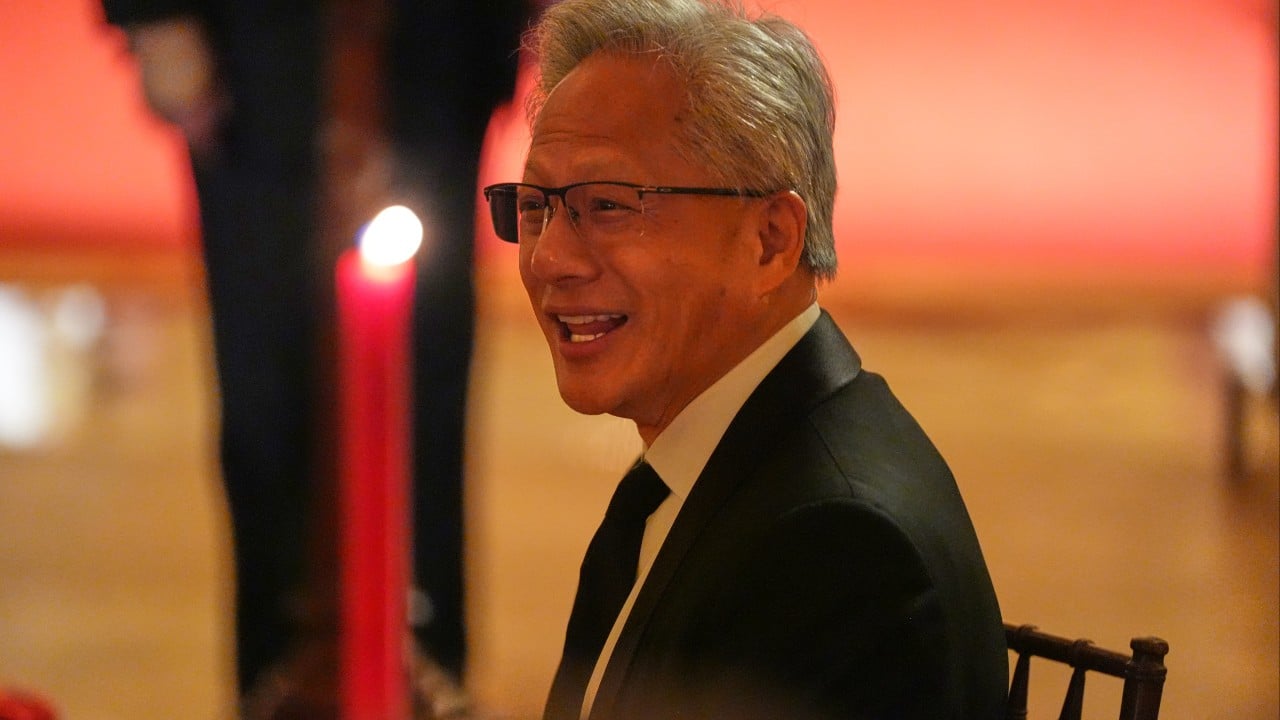
Geopolitics rarely mixes well with corporate strategy, yet tech executives keep walking tightropes. Nvidia CEO Jensen Huang and AMD chief Lisa Su just took seats on the advisory board of Tsinghua University's School of Economics and Management in Beijing. This move happens while export controls and trade restrictions are constantly shifting.
It looks contradictory on paper. Washington tries to lock down advanced semiconductor supply chains, while the heads of America's two most dominant chip design houses accept formal advisory roles at China's premier academic institution. But if you look past the headlines, this appointment tells you everything about how global tech giants actually operate. They can't afford to walk away from the Chinese market, no matter how loud the regulatory drums beat in Washington.
The Weight of Tsinghua University
Tsinghua isn't just an ordinary school. It's the incubator for China's political and technical elite. Alumni fill the highest ranks of government and industry. When an advisory board features global titans alongside domestic leaders, it functions as a direct pipeline for talent, research alignment, and market intelligence.
Huang and Su join alongside Marc Pictet of Pictet Group, plus several new successor members from global corporations like BMW, Walmart, Coca-Cola, and BP. The board meets annually in Beijing, creating a rare face-to-face bridge between Western executives and Chinese academic powerhouses.
You might wonder why these CEOs would risk political blowback back home. The reality is simple. China remains a massive consumer of technology components, even under severe trade curbs. Chipmakers need to maintain visibility, keep channels open, and ensure they understand local academic advancements in fields like artificial intelligence and systems architecture.
Navigating the Trade War Minefield
Washington wants American semiconductor firms to decouple from adversary supply chains. Executives like Huang and Su have spent years testifying before lawmakers, explaining that restricting sales to China doesn't stop domestic innovation; it just starves US companies of revenue needed for next-gen research.
Accepting a seat at Tsinghua is a calculated signal. It says that academic and economic cooperation should survive political turbulence. Of course, critics in Congress will probably call these appointments tone-deaf or risky. They will argue that sharing expertise with Chinese institutions aids a strategic rival.
Yet, tech giants view things through a pragmatic lens. Engineering talent is global. Research papers flow across borders regardless of tariffs. By staying close to Tsinghua, Nvidia and AMD secure a front-row seat to how Chinese engineers are solving hardware bottlenecks under pressure.
What Happens Next
Expect more friction between corporate pragmatism and national security hawks. As the annual Tsinghua advisory meeting approaches, eyes will turn to Beijing to see if Huang or Su attend in person. Their presence would underscore a clear message: tech diplomacy isn't dead yet, and business leaders are willing to weather political storms to protect their long-term stakes.
Keep an eye on how Washington reacts. If regulatory pressure tightens further, these board seats might turn into political flashpoints. For now, the chip bosses are playing a long game.