Cybercrime syndicates usually operate behind an impenetrable wall of anonymity, encryption, and fake personas. But walls crack. Dutch authorities just hauled in a 24-year-old Amsterdam resident linked directly to the notorious ShinyHunters hacking collective. A Rotterdam court wasted no time locking him into a 90-day detention period while investigators tear through seized hardware.
This isn't just another routine raid. The timing aligns with high-stakes digital confrontations, including recent explosive claims targeting federal employment portals. If you follow international cybersecurity, you know ShinyHunters isn't a small-time operation. They're a persistent threat actor group known for massive data thefts and extortion campaigns across the globe.
Inside the Amsterdam Raid
Dutch police moved on September 15, arresting the young suspect during a high-priority operation led by the nation's High-Tech Crime Unit. Stan Duijf, the cybercrime chief for Dutch law enforcement, didn't mince words about the group's impact. They've left a trail of victims across Europe and North America.
When investigators seized the suspect's laptops and data storage devices, they stumbled onto something even darker. Beyond the expected digital forensics tied to international cyberattacks, police uncovered evidence pointing to attempted solicitation for two separate murders. Dutch authorities clarified that the alleged murder plots remain separate from the core ShinyHunters investigation, but it paints a grim picture of the violent crossover sometimes found in modern digital underworlds.
The FBI Connection and High-Stakes Fallout
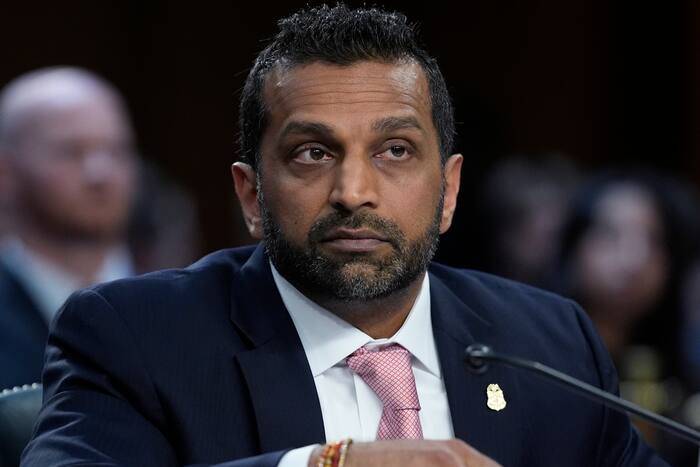
International cooperation drove this bust home, even if local press releases initially played down the cross-border coordination. FBI Director Kash Patel publicly credited the partnership between American investigators and the Dutch National Police, pointing to the suspect as an alleged leader within the ShinyHunters ecosystem.
The takedown arrives at a volatile moment. Just days before the announcement, ShinyHunters claimed responsibility for compromising FBIJobs.gov, boasting that they downloaded sensitive dossiers on thousands of applicants and agents. The cybergroup even broadcasted direct messages to Patel and Brett Leatherman, the assistant director heading up the bureau's cyber division, demanding retractions over public warnings issued against them.
While federal agencies work to verify the extent of the job portal breach, this arrest gives investigators a physical anchor point. Digital breadcrumbs on seized hard drives rarely point to just one person. Cybercrime cells rely on loose-knit cooperative structures, meaning physical custody of a suspected core member opens the door for coordinated follow-up raids, server seizures, and asset freezes across multiple jurisdictions.
What This Means for Global Cyber Defense
Law enforcement agencies are shifting from passive defense to aggressive disruption. Arresting suspected hackers and holding them without bail disrupts communication channels, forces threat actors into defensive postures, and breaks the illusion of permanent digital untouchability.
You can expect the fallout from this Amsterdam arrest to ripple across underground forums over the coming weeks. Encryption protects data in transit, but it can't protect a suspect sitting in a Dutch jail cell facing a 90-day pre-trial detention order while forensic specialists extract every keystroke from his hardware.
Secure your infrastructure, audit your access logs, and watch how federal prosecutors leverage this physical custody to dismantle the remaining nodes of the network.