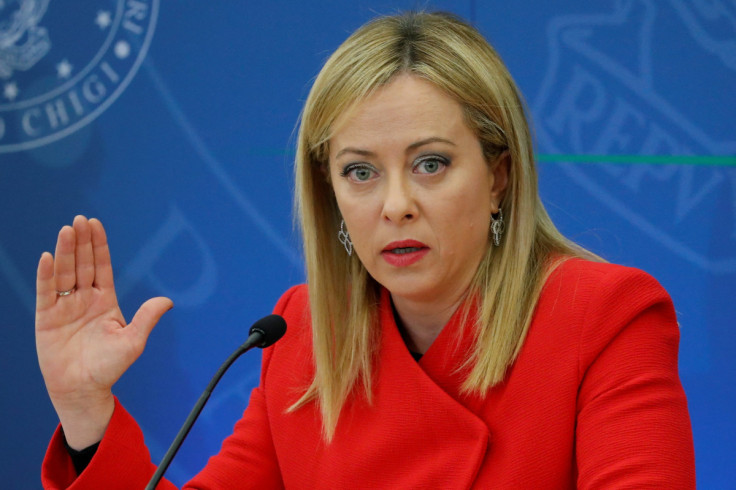
One-tenth of a percentage point. That tiny decimal difference stands directly between Italian Prime Minister Giorgia Meloni and an early exit from Brussels' fiscal naughty step.
Rome's national statistics agency, ISTAT, confirmed that Italy's budget deficit settled at 3.1% of GDP for 2025. It is a massive improvement from the staggering 7.4% recorded back in 2023, but it misses the European Union's sacred 3% threshold by a hair. Because of that microscopic gap, Italy remains trapped in the Excessive Deficit Procedure. For a administration that staked its political brand on strict fiscal responsibility and breaking Italy's reputation as a perennial budget offender, missing the mark by a single decimal point is a frustrating bureaucratic blow.
The Cost of a Decimal Point
The immediate political fallout is stark. Meloni’s government is heading into a high-stakes budget cycle with national elections looming on the horizon. Remaining under EU monitoring means operating under tight legislative constraints precisely when coalition parties want to loosen the purse strings to woo voters.
Italy must continue trimming its structural deficit by 0.5 percentage points annually while staying inside strict net expenditure growth limits. That leaves very little wiggle room to fund fresh electoral promises. Economy and Finance Minister Giancarlo Giorgetti made no secret of his disappointment when the final figures dropped, pointing instead toward 2027 as the earliest possible exit date.
The heavy burden of past policies haunts these numbers too. The notorious Superbonus building tax credits kept bleeding public coffers throughout 2025, costing billions more than anticipated. Without that specific legacy burden, Rome would have cleared the European hurdle months ago.
The Defense Spending Dilemma
Staying locked in the EU's fiscal straitjacket also complicates broader strategic choices. The government must decide whether to trigger a special European clause allowing up to 1.5% of GDP—roughly €30 billion—in defense and energy spending to remain excluded from strict deficit calculations over a two-year window.
While some ministers see this as a necessary cushion against rising geopolitical pressures and energy shocks, others fear that utilizing the escape hatch will only prolong Brussels' oversight. It's a classic policy trap. Spend on security to appease allies, or pinch pennies to satisfy European technocrats.
What Happens Next
The numbers show undeniable progress, with Italy's public debt burden hovering near 137% of GDP and growth figures creeping upward. Yet symbolism often trumps economic nuance in politics. Meloni now has to draft a budget that respects EU guardrails without angering domestic voters who expect tangible results.
The path forward requires ruthless prioritization. Rome must focus on strict spending efficiency while navigating soaring borrowing costs and international bond market jitters. There is no room left for creative accounting or wishful forecasting.