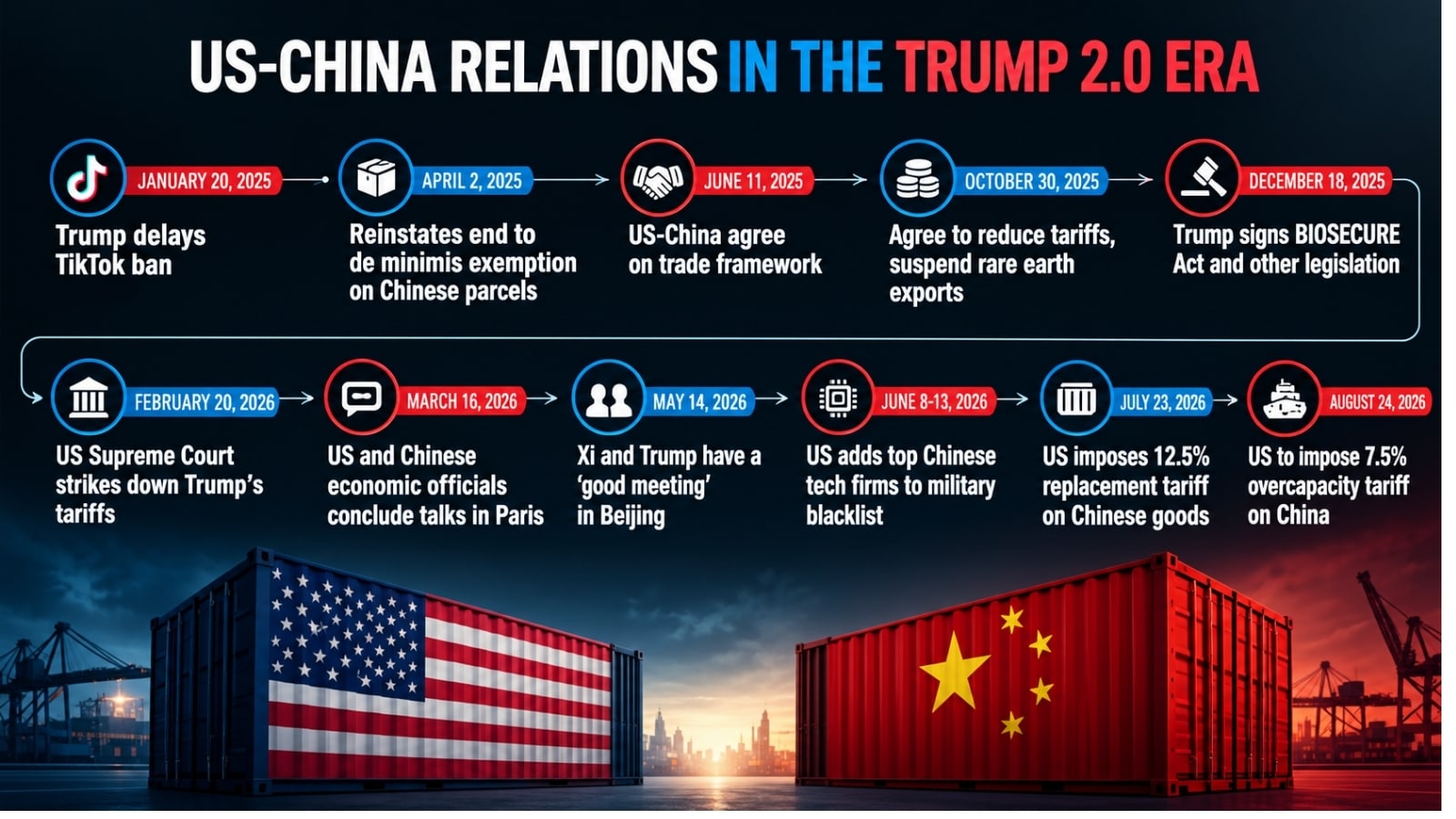
Japanese Prime Minister Sanae Takaichi didn't mince words after stepping out of her meeting with Donald Trump in New York. Calling their sit-down on the sidelines of the United Nations General Assembly a "timely" chat about China is diplomatic speak for Tokyo sweating bullets over what kind of backdoor deal Washington might cut with Beijing.
Let's cut through the official press statements. When a US president prepares to sit down with Chinese President Xi Jinping, US allies in Asia instantly get nervous. Tokyo's core fear is simple: Trump loves a flashy trade headline, and he might just throw Taiwan—and regional security—under the bus if Xi dangles enough economic incentives.
What Tokyo Wants From Washington
Takaichi walked into that room with a heavy agenda. Japan isn't just dealing with abstract geopolitical friction anymore. Over the past year, Tokyo has felt direct economic pain from Beijing, including tightened supplies of critical rare earth minerals. That squeeze came straight after Takaichi pointedly labeled any military threat to Taiwan as an existential threat to Japan itself.
Because Taiwan sits right next to Japan's southwestern island chain, any conflict there drags Tokyo in immediately. So when Takaichi met Trump, she had to lock down assurances.
The stakes involve massive numbers and hard commitments:
- A proposed $550 billion Japanese investment pledge dangled to dodge aggressive US tariffs.
- Tokyo's push toward a 3.5 percent defense spending target to show Washington they aren't freeloading on security.
- Coordination on semiconductors and supply chain security to counter Chinese economic coercion.
The Financial Pressure Cooker
It isn't just about regional security or Taiwan's defense. There's a nasty monetary subplot running underneath all of this. Treasury Secretary Scott Bessent has been putting heavy pressure on the Bank of Japan to hike interest rates, aiming to stabilize global currency flows.
When Takaichi and Trump touched on the current global financial situation, they were tackling a very real balancing act. Japan wants a strong security umbrella from the United States, but Tokyo's domestic economy can't simply absorb erratic policy demands without breaking. Takaichi needed to look Trump in the eye and remind him that a fragile Japanese economy makes for a terrible frontline ally against Beijing.
Why This Summit Changes the Playbook
Xi Jinping goes into his meeting with Trump carrying a very specific wishlist, starting with a hard demand to halt US arms sales to Taiwan. Beijing views the self-governing island as a breakaway province and wants Washington to pull back its military footprint.
If Trump decides to deal, the shockwaves will hit Tokyo first. Takaichi's preemptive strike in New York was designed to box Trump in—reminding him that Japan expects US-China relations to maintain regional stability, not sacrifice it for a quick corporate photo-op.
Keep your eyes on the fallout from the Trump-Xi talks. If Washington stays firm on regional defense and supply chains, Takaichi's gamble paid off. If the White House pivots toward a solo trade deal, expect Tokyo to radically accelerate its independent military and economic decoupling faster than anyone anticipated.