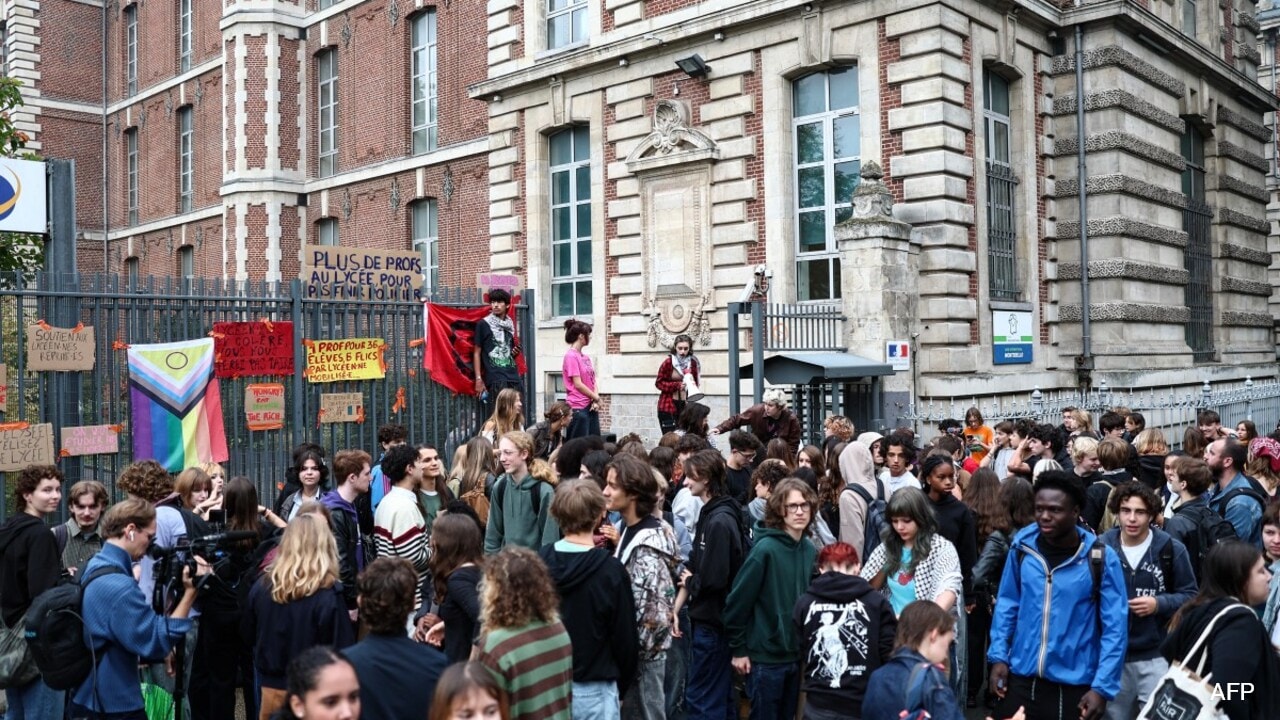
Tear gas fills the air outside Parisian high schools. Trash bins burn in the streets of Lille and Marseille. Hundreds of teenagers find themselves detained by riot police. France is experiencing a massive wave of student unrest, and it isn't just about typical teenage rebellion. The kids are angry, and frankly, they have every right to be.
Over recent weeks, high school students aged fifteen to eighteen have blockaded hundreds of educational institutions across the country. What started as localized friction in the Ile-de-France region has quickly snowballed into a nationwide movement. Police respond with batons and tear gas while the government points fingers at political agitators. But looking past the dramatic footage of clashes, you'll find a systemic breakdown that adults have ignored for years.
The Breaking Point Behind the French School Blockades
If you want to understand why these teenagers are risking police custody, you have to look at their daily reality. Students report getting more hours of mandatory lessons than actual sleep. The timetables are brutal, packing schedules from early morning until late afternoon, leaving zero room for mental rest or physical well-data recovery.
Then there is the infrastructure issue. During recent extreme heatwaves, classrooms turned into literal ovens. Without proper ventilation or air conditioning, learning became nearly impossible in buildings that trap heat like concrete boxes. Add a chronic shortage of teachers, ballooning class sizes, and underfunded facilities—especially in lower-income suburbs like Seine-Saint-Denis—and you get a pressure cooker ready to blow.
Interior Minister Laurent Nunez reported that hundreds of individuals, mostly minors, were detained following violent clashes. Education Minister Edouard Geffray condemned the actions as irresponsible, claiming that blockades endanger both students and public officials.
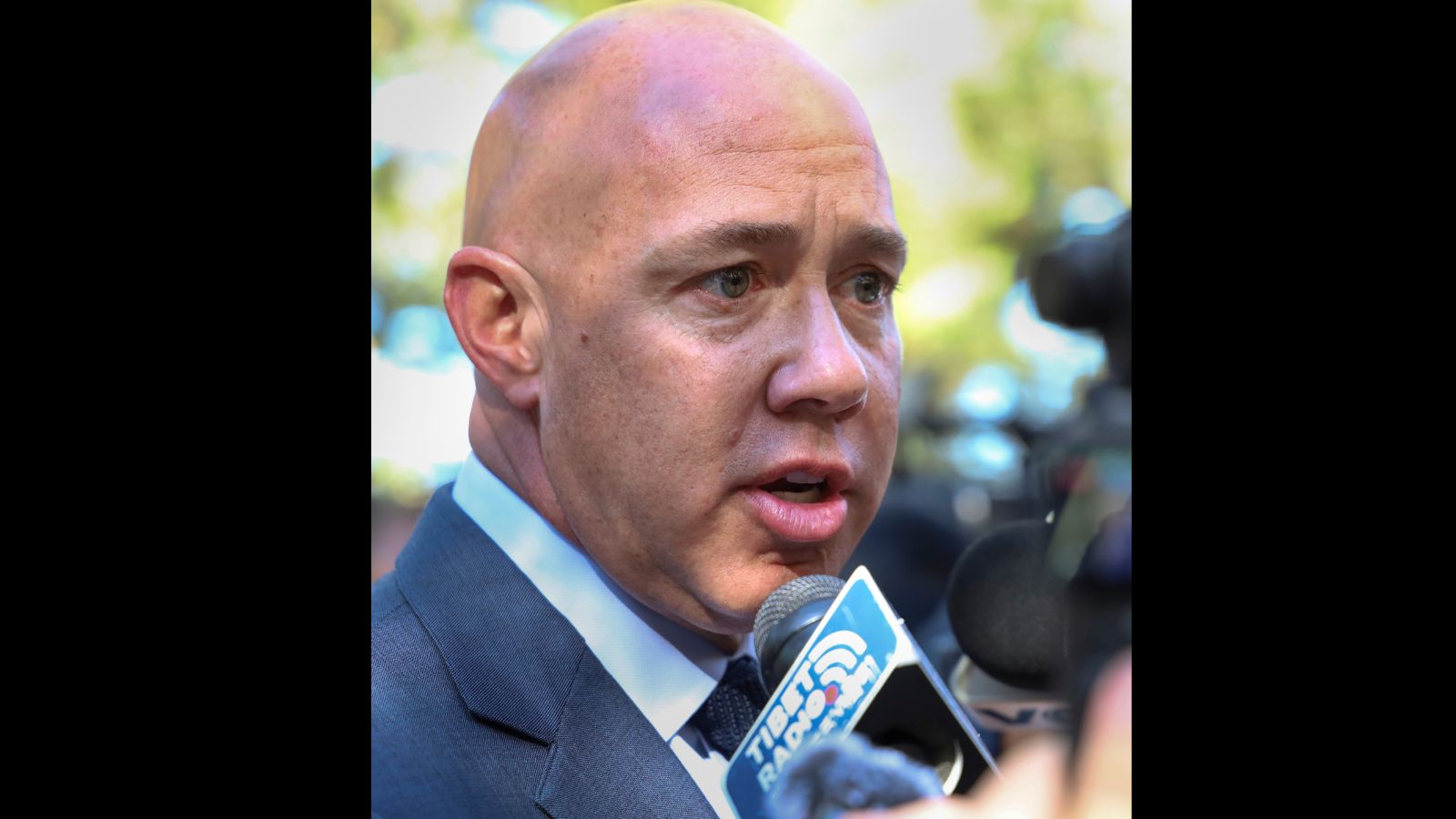
Yet, local politicians see a different reality. In the Paris suburb of Seine-Saint-Denis, local mayor Bally Bagayoko joined student demonstrators, calling their grievances entirely legitimate. When kids from neglected neighborhoods point out that their schools are unsanitary while wealthier districts receive better support, dismissing them as mere troublemakers misses the entire point.
A Broader National Crisis
These student protests didn't happen in a vacuum. They coincide with nationwide strikes and demonstrations targeting the budget policies of Prime Minister Sebastien Lecornu and President Emmanuel Macron. Around one in ten teachers joined the strikes, while thousands of firefighters and workers marched through Paris.
When the adult workforce is striking over economic strain and budget cuts, it is hardly surprising that the youth population follows suit. The students see their future being compromised by underfunded public services and crumbling infrastructure. They are translating adult political frustration into direct street action.
Critics argue that the methods—setting fires, throwing projectiles, and vandalizing bus shelters—cross the line into pure vandalism. And they are right. Property destruction doesn't fix a broken boiler or hire a missing math teacher. But condemning the violence while ignoring the legitimate structural failures of the public education system solves nothing either.
What Happens Next
The government faces a tough choice. Cracking down with riot police and mass detentions might clear the streets temporarily, but it only deepens the resentment among a generation already feeling abandoned by the state.
Fixing this requires structural repair. Schools need adequate ventilation for extreme weather, reasonable class sizes, and enough staff to keep doors open without burning out the existing workforce. Until policymakers address the root causes of these protests, French teenagers will keep finding ways to make their voices heard, whether adults like the methods or not.