Millions of people started injecting weekly weight-loss and diabetes medications over the last few years. Now, city sanitation crews are paying a steep price for that convenience. Needlestick injuries are surging in major metropolitan areas, and municipal officials point a direct finger at the massive influx of improperly discarded GLP-1 injector pens.
If you use Ozempic, Wegovy, Mounjaro, or Zepbound, your routine garbage disposal habit might literally be a hazard to someone else. Let's look at what is actually happening behind the scenes and how ignoring basic disposal rules creates a severe public health crisis on our streets.
The Rising Toll on Waste Collectors
You toss a garbage bag into the bin, tie it up, and forget about it. Sanitation workers don't have that luxury. They grab hundreds of heavy bags daily, compressing waste and sorting materials by hand or mechanical loader. When needles poke through thin plastic trash bags, they pierce gloves, skin, and boots.
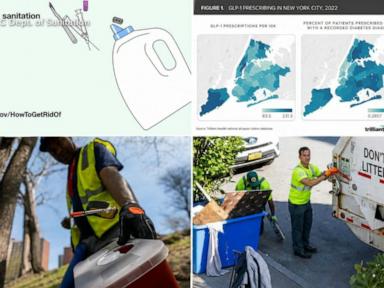
Data from the New York City Department of Sanitation shows that needlestick injuries among workers are climbing rapidly. By August of this year, department figures revealed 49 separate needlestick incidents, already eclipsing previous years and nearly doubling historical averages from 2019. Department representatives explicitly note that the rapid rise of injectable medications is a primary driving force behind these hazardous encounters.
Brooklyn, Queens, the Bronx, Manhattan, and Staten Island have all logged steady streams of injuries. Workers aren't just dealing with a painful prick; they face agonizing months of anxiety, blood tests, and potential exposure to bloodborne pathogens because someone couldn't be bothered to secure a tiny plastic needle.
Why GLP-1 Pens Changed the Equation
Before the GLP-1 boom, at-home self-injections were largely confined to specific chronic communities—like diabetics managing daily insulin—who received rigorous clinical training on sharps safety. Today, millions of new users are learning how to inject themselves via YouTube tutorials or quick doctor visits.
Many of these pens feature hidden or retractable needles, leading users to assume the device is entirely safe once fired. They toss the plastic device straight into the kitchen trash can or recycling bin. But plastic bags tear. Waste compactors crush containers. Needles pop out, shift positions, and transform ordinary household garbage bags into hidden landmines.
Furthermore, dumping medical sharps into recycling streams causes catastrophic damage to sorting facilities. Sorting machinery jams, workers sorting recyclables by hand get exposed, and entire batches of recyclables get ruined.
What Municipalities Are Doing About It
Cities are getting tired of warning residents. Municipal agencies are cracking down with heavier financial penalties. In New York, officials proposed raising fines for improper medical sharp disposal from $100 to $250. Other cities are launching public awareness campaigns to remind residents that convenience doesn't override worker safety.
Yet fines only work if people know the rules. Most casual users assume throwing a capped pen or pre-filled device into the trash is fine as long as it's tucked inside a bag. It's not.
How to Dispose of Your Injector Pens Correctly
You don't need a complicated system to keep waste workers safe, but you do need to follow a few non-negotiable rules.
- Buy an FDA-cleared sharps container: You can pick these up at any local pharmacy like CVS, Walgreens, or Walmart for a few dollars. They are puncture-resistant and designed specifically to lock used needles away permanently.
- Use a household alternative if necessary: If you don't have a commercial container handy, use a heavy-duty, thick plastic bottle with a screw-on lid—such as an empty laundry detergent jug or bleach bottle. Never use milk jugs, soda bottles, or glass jars, which can crack or puncture easily.
- Seal and label properly: When your container is three-quarters full, seal the lid tightly with heavy-duty tape and write "SHARPS - DO NOT RECYCLE" clearly on the side.
- Check local take-back programs: Many local health departments, fire stations, and pharmacies offer drop-off sites or mail-back programs. Search your zip code on SafeNeedleDisposal.org to find free disposal options near you.
Stop tossing loose medical devices into ordinary garbage bags. Secure your sharps, protect your community's sanitation workforce, and take responsibility for your medical waste from the moment you inject to the moment it hits the bin.