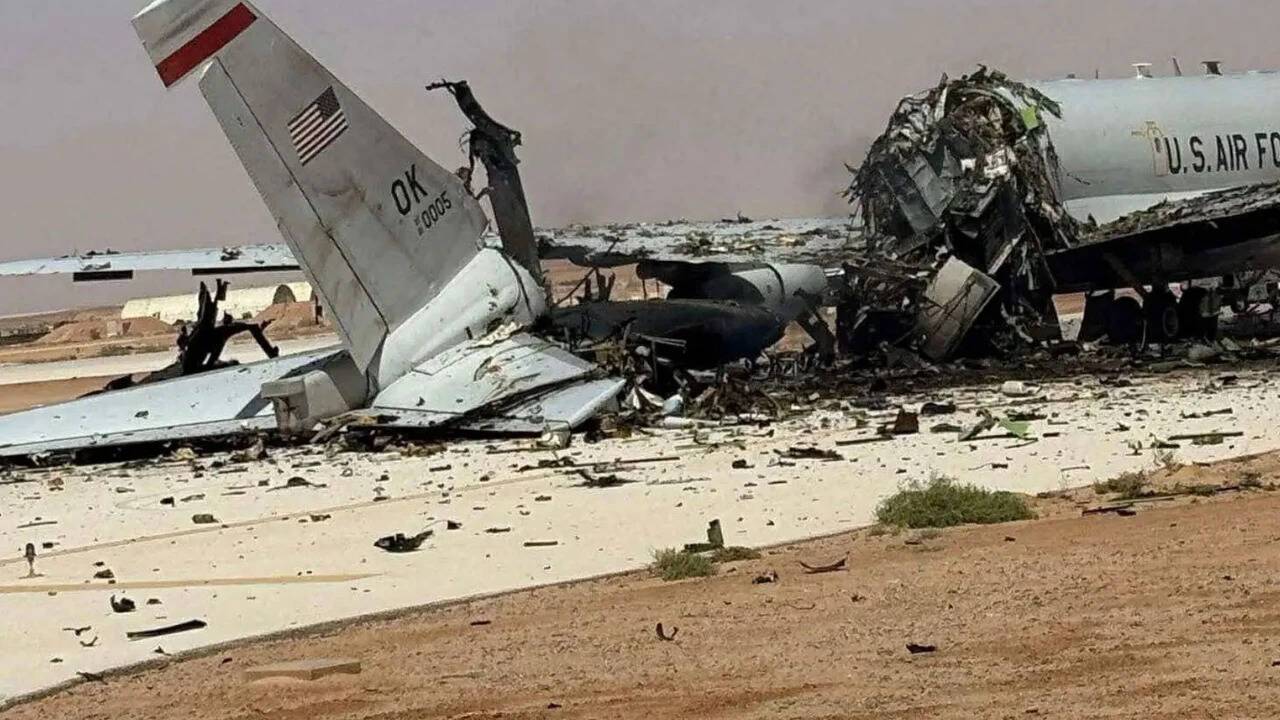
Wars are rarely as cheap or as brief as politicians promise. When the conflict with Iran escalated, the initial projections offered by Washington bureaucrats painted a manageable financial picture. Reality proved far more expensive and much bloodier.
Internal Pentagon reports submitted to Congress reveal that the campaign has drained $45.1 billion so far. That staggering sum is climbing by billions every single month. Beyond the ledger books, six separate defense officials have told reporters that actual combat fatalities among US service members are higher than the 18 deaths officially logged in public Pentagon databases. If you enjoyed this piece, you might want to read: this related article.
You aren't getting the full story from official press briefings. Let's look at what the numbers actually show.
The Bill Keeps Growing
The financial hemorrhage started long before ground operations or major airstrikes made nightly news. According to data provided to lawmakers, direct spending hit $43.6 billion by early September, with an additional $1.5 billion burned purely on extra fuel and logistical overhead. For another angle on this story, check out the latest coverage from NBC News.
Compare that to the Congressional Budget Office estimate of $38 billion from just a month prior. The trajectory is unsustainable. The CBO projects ongoing monthly expenditures of $2 billion to $3 billion as long as fighting continues.
What gets left out of these headline numbers?
- Base repairs across the Gulf region
- Indirect operational logistics
- The long-term cost of veteran medical care
Replacing depleted munitions accounts for a massive chunk of the budget. US Central Command notes that $28 billion has vanished just into restocking missiles and defense interceptors, alongside $4.3 billion in lost or destroyed hardware.
The Human Toll Beneath the Public Tally
Numbers on a balance sheet are easy to manipulate. Human lives are harder to hide, though the military tries its best.
While the official Pentagon casualty database lists 18 US service member fatalities, internal sources whistleblow a different reality. At least 22 American troops have died in the Middle East theater since operations began. Some officials put the count at 23, factoring in personnel whose deaths occurred in active combat zones amid ongoing regional hostilities even if direct engagement wasn't logged.
Three military contractors have also lost their lives. When journalists ask for clarification on the discrepancies, defense spokespeople offer silence or deflect. The identities, exact locations, and circumstances surrounding these additional casualties remain obscured behind administrative walls.
Economic Shockwaves Beyond the Middle East
A modern military conflict doesn't stay contained to a desert sandbox. Energy markets felt the jolt immediately.
With Iran tightening control over the Strait of Hormuz and regional proxy forces disrupting shipping lanes around the Bab al-Mandeb Strait, global oil supply chains suffered immediate shocks. The ripple effect hits American consumers directly. Economists warn that persistent energy spikes will likely push inflation 0.5 percentage points higher during the upcoming quarters.
You feel this at the pump, at the grocery store, and in every manufactured good dependent on global freight. The financial weight of the conflict extends straight into domestic households that never voted for a protracted war.
What Happens Next
Stop expecting a clean resolution or a sudden drop in defense spending. As long as supply lines remain contested and strategic maritime chokepoints face disruptions, the military budget will absorb billions more in monthly expenditures.
If you want to track where this is heading, ignore the optimistic statements coming out of Washington committee rooms. Watch the munitions replenishment schedules and monthly energy futures. Those indicators tell the real story of a war that is costing far more than the government cares to admit.