The Middle East is witnessing an escalation that back-and-forth diplomatic statements simply can't contain. With eleven consecutive nights of U.S. airstrikes hitting targets deep inside Iran and retaliatory Iranian fire hitting allied Gulf infrastructure, the conflict in and around the Strait of Hormuz has escalated past simple political rhetoric. Both Washington and Tehran insist they're leaving the door open for talks, but their actions on the ground paint a completely different picture.
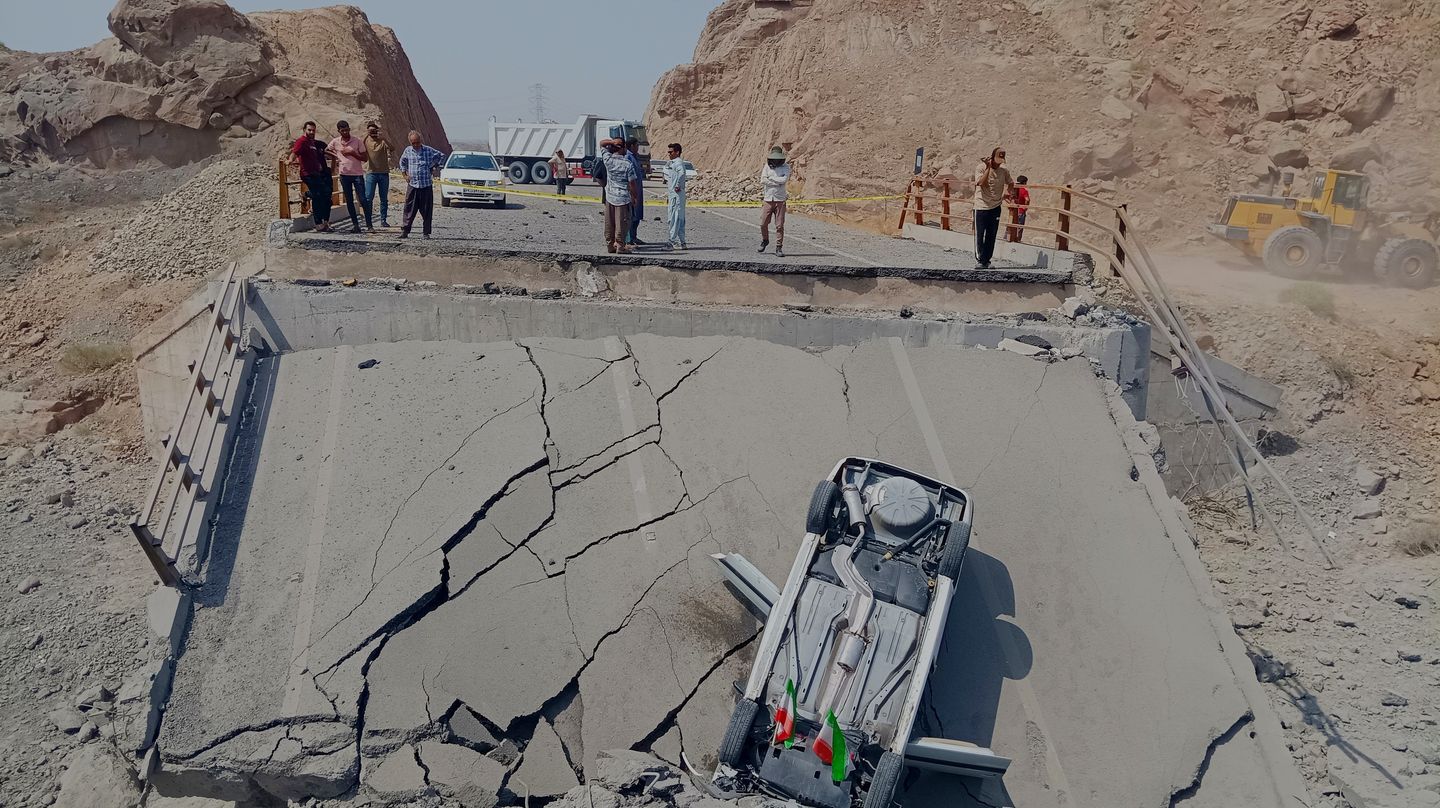
Military actions speak louder than diplomatic channels right now. American strikes have targeted Iranian command nodes, air defenses, coastal radars, and civilian transit infrastructure like bridges and tunnels near Bandar Abbas. In response, Tehran has launched strikes at U.S. regional bases and Gulf neighbors, including Bahrain and Kuwait, while continuing to disrupt shipping through the narrow maritime chokepoint that carries a fifth of global petroleum supplies.
When bombs drop daily and oil markets react to disrupted routes, talking points about hypothetical peace negotiations ring hollow. The war isn't stalling—it's expanding.
The Illusion of Parallel Diplomacy
The official line from Washington is that military pressure and diplomatic engagement can run side by side. Secretary of State Marco Rubio noted that the U.S. remains open to a peaceful resolution if Tehran decides to negotiate productively.
That strategy assumes military force creates leverage that brings the other side to terms. History and current events show it rarely works out that cleanly.
- Strategic Mismatch: Heavy bombardment doesn't automatically force concessions. Air power alone hasn't forced Iranian leadership to capitulate, just as thousands of strikes in early campaign phases failed to break their stance.
- Erosion of Trust: Iran suspended its commitments under the Islamabad memorandum of understanding, claiming Washington violated previous terms. When formal agreements crumble, finding common ground becomes nearly impossible.
- Escalatory Rhetoric: Recent public threats—including vows to destroy a bridge or power plant for every ship attacked in the strait—leave very little room for diplomatic compromise.
Diplomacy requires a baseline of mutual trust or at least predictability. Right now, neither exists.
Strategic Toll along the Strait of Hormuz
The primary flashpoint remains the Strait of Hormuz. Iran's geography gives it direct access to the waterway, while the U.S. Navy enforces blockades and conducts strikes to keep sea lanes clear.
Traffic through the corridor has ground down, forcing tankers to re-route or anchor while insurance costs shoot through the roof.
Conflict Dynamics at a Glance:

[U.S. Campaign Goals]        --> Destroy Missile/Drone Sites & Enforce Navigation Freedom
[Iran Counter-Strategy]       --> Asymmetric Strikes on Gulf Assets & Shipping Interdiction
[Economic Impact]            --> Spiking Global Energy Costs & Supply Chain Delays
Strikes on southern transport links—like the roads around Khamir county and key coastal bridges—show a shift toward severing Iran's military supply corridors to the coast. While intended to limit missile launches, targeting infrastructure creates severe humanitarian and economic strain across coastal provinces.
Regional Fallout and Economic Reality
This isn't a isolated dispute between two nations. The geographical scope keeps creeping wider.
Iranian strikes on Bahrain damaged air traffic systems, while early warning alerts periodically trigger across eastern Saudi Arabia. Meanwhile, regional allies like the Houthis in Yemen have threatened complementary blockades in adjacent shipping lanes, threatening to strangle Red Sea trade.
- Global Energy Prices: As crude shipments drop, global energy markets face persistent volatility.
- Local Economies: Ports like Bandar Abbas report thousands of stranded shipping containers and massive reductions in port workforces.
- Inflationary Pressures: Sanctions, damaged infrastructure, and trade halts drive severe wartime economic contraction inside Iran.
Military operations cost billions, while the economic splash damage hits consumers worldwide.
What Happens Next
Unless both sides step back from maximum-pressure tactics, expecting a sudden breakthrough at the negotiating table is unrealistic. Military planners prepare for drawn-out conflict while diplomats struggle to find an off-ramp.
Track these key indicators to evaluate where the conflict is headed:
- Third-Party Mediation: Monitor diplomatic efforts from neutral regional mediators like Qatar or Oman, which offer the only realistic path toward quiet de-escalation.
- Targeting Shifts: Watch whether strikes stay limited to military infrastructure or expand systematically into energy and industrial facilities.
- Energy Market Adjustments: Track alternative pipeline routes intended to bypass the Strait of Hormuz to measure long-term market adaptation.
The march toward expanded regional war continues as long as both capitals treat diplomacy as a side note to military force. Breaking the cycle requires real concessions, not just open-door rhetoric backed by daily missile runs.