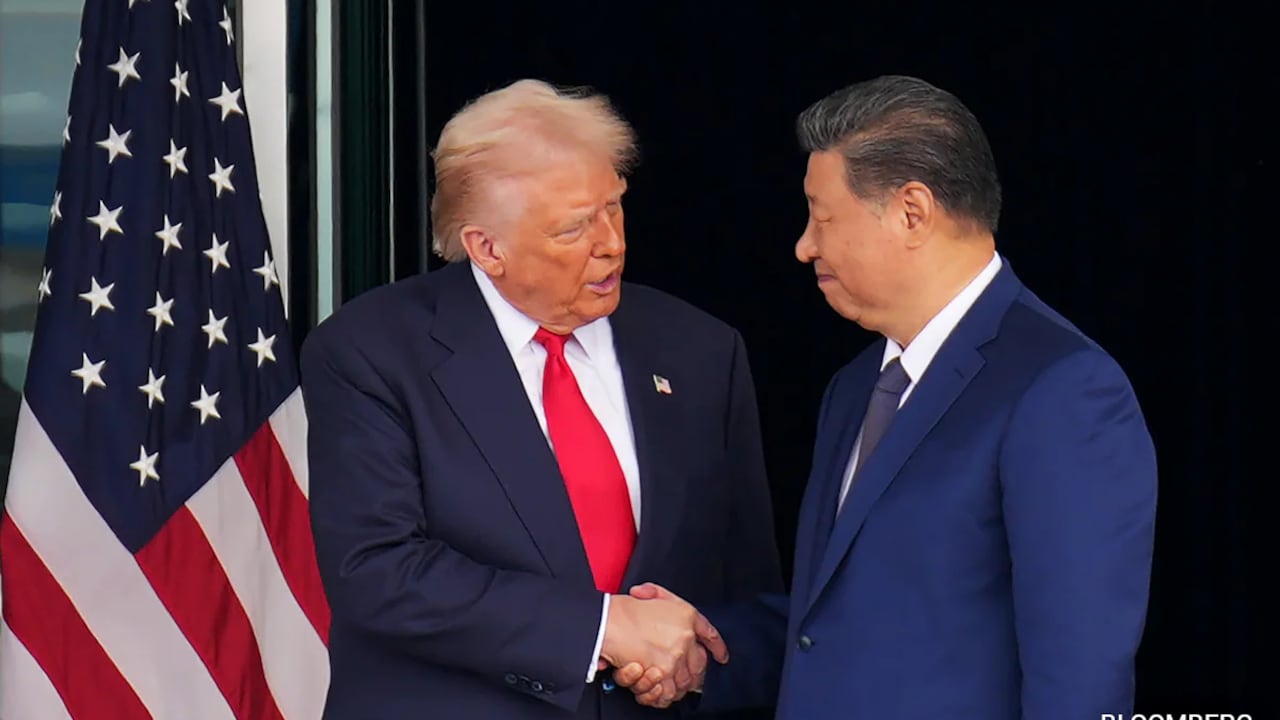
Red carpets, airport tarmac greetings, and black-tie dinners make for great television. But behind the handshakes between Donald Trump and Xi Jinping in Washington lies a cold, unyielding reality. The pageantry is designed to hide an escalating cold war over artificial intelligence, rare earth metals, and global economic dominance.
Most headlines frame this state visit as a diplomatic reset. That's a mistake. When you look past the ceremonial optics, both leaders are heavily constrained by domestic pressures and structural fractures that a three-day summit can't fix.
The Tarmac Welcome Hides a Deepening Technology Chasm
Trump and Xi haven't solved the fundamental friction point of modern geopolitics: who controls the future of intelligence. While Treasury officials talk about setting up formal dialogues on artificial intelligence, the actual ground game tells a different story. The US has banned imports of Chinese humanoid robots and blocked specific tech components, while Chinese firms like Huawei race to build next-generation chips entirely outside Western supply chains.
You don't bridge a gap like that over a state dinner.
US Treasury Secretary Scott Bessent put it bluntly when he warned that there is no future if China wins the artificial intelligence race. Yet, the administration rolled out the red carpet anyway. This strange mix of aggressive containment rhetoric and lavish hospitality leaves allies confused and hardliners in Washington furious. Senator Roger Wicker didn't hold back his criticism of the extravagant welcome, pointing out that inviting Xi for such a lavish state visit sends the wrong signal while trade deficits widen and technological theft allegations pile up.
Rare Earths and the Real Economic Leverage
Let's talk about what's actually driving the friction. It isn't just about algorithms or server farms. It's about the physical dirt required to build them.
China controls the supply chains for critical minerals, and they know it. Recent customs data shows that Chinese exports of rare-earth magnets to the US dropped sharply right before the summit. At the same time, China's trade surplus with the US surged to more than $29 billion, the widest gap since Trump returned to office.
Washington wants Beijing to loosen its grip on these metals and stop slow-walking shipments. Beijing wants the US to back off its weapons packages for Taiwan and drop the intense export controls throttling its semiconductor ambitions. Neither side is willing to blink. The result is a fragile standstill where both economies keep trading punches while pretending to look for common ground.
Why Domestic Vulnerabilities Drive Foreign Posturing
Both leaders are sitting on ticking clocks at home, which explains why neither wants a sudden breakdown in relations right now.
Trump is staring down November midterm elections with the very real threat of Republican losses and the dreaded lame-duck tag hanging over his second term. His administration is fighting legal battles over executive power, immigration rules, and tariff authorities, making external wins look appealing, even if they're purely symbolic.
Xi faces a different set of domestic headaches. China's economic growth remains sluggish, youth unemployment is high, and he is steering toward a historic fourth term. He doesn't need an active trade war with America right now. He needs stability, breathing room for domestic tech champions to bypass US sanctions, and ironclad assurances on Beijing's red lines regarding Taiwan.
When two leaders need a win to project strength at home, they settle for photo ops that mask underlying failures.
The Illusion of Progress
Diplomats will point to newly minted working groups and polite communiqués as proof of success. Don't buy it. Establishing a dialogue isn't the same as solving a structural conflict.
As long as Washington views Chinese technological advancement as an existential threat and Beijing views US containment as an intolerable blockade, these summits are nothing more than high-stakes theater. The real decisions aren't being made in the banquet halls of the White House. They are being hashed out in semiconductor cleanrooms, rare earth processing plants, and defense ministry planning sessions out of the public eye.
The red carpet will be rolled up by Friday, but the race for supremacy will only accelerate.