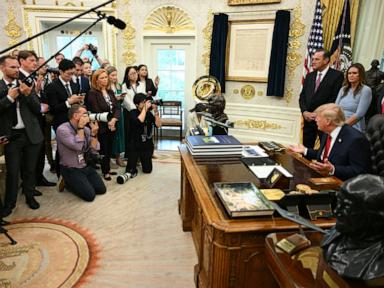
Presidents fight with reporters all the time. Donald Trump just took things a step further.
On a Friday afternoon post on Truth Social, Donald Trump announced he was barring CNN, MS NOW, and Politico from the White House effective immediately. He didn't hide his reasoning. He accused the three organizations of publishing "fiction and lies" and slapped them with his favorite label: fake news. He also hinted that more media outlets could face identical bans soon.
If you think this is just standard political theater, look closer. This move strips away basic press access and fundamentally alters how information flows out of the executive branch.
The Mechanics of the Ban
When a president cuts off specific news organizations, the logistical reality is stark. It isn't just about refusing to call on a reporter during a televised press conference. It cuts deeper into day-to-day access.
The White House press pool, Oval Office rotations, and workspace credentials form the backbone of independent reporting in Washington. By locking out CNN, MS NOW, and Politico, the administration is effectively weaponizing physical access to punish editorial stances it dislikes.
Trump didn't cite a single specific article or breaking news error when making the announcement. Instead, he framed the decision as a response to cumulative coverage over the past few years. During an Oval Office event later that day, he made his preference crystal clear. He noted that he gets fairer coverage from outlets like Breitbart and Fox News, stating he just wants a semblance of truth.
The White House Correspondents' Association didn't stay silent. WHCA President Jacqui Heinrich released a statement emphasizing that the action targets journalists simply for doing their jobs. Legal challenges are already forming on the horizon, echoing past battles over press credentials during Trump's first term. Back then, restrictions placed on individual reporters eventually hit major roadblocks in federal court.
Why This Matters for the Public
It's easy to tune out media feuds. Most people are busy dealing with everyday bills, jobs, and families. You might not care much about whether a specific cable news network has a desk in the press briefing room.
However, the real issue isn't about protecting the feelings or profits of major media corporations. It's about your right to know what your government is doing.
When the executive branch picks and chooses which reporters get to enter the building, the information ecosystem shrinks. Independent accountability takes a massive hit. If an administration can ban outlets for unfavorable coverage, future administrations—regardless of party—might follow the playbook.
Think about how this impacts day-to-day governance. When only friendly outlets are granted routine proximity, critical questions about policy, spending, and foreign affairs get sidelined. Public servants stop facing tough scrutiny.
What Happens Next
The targeted news organizations are pushing back hard. Representatives for Politico and CNN issued statements vowing to defend their First Amendment rights and continue reporting on the administration without backing down.
Legal experts point out that banning entire networks from a public institution sets off heavy constitutional alarms. Past court rulings lean heavily toward protecting journalists from viewpoint-based discrimination by government officials.
Expect a messy legal battle. Expect escalating tensions between the West Wing and major newsrooms. And don't be surprised if the list of banned organizations grows before this fight reaches a courtroom.
Keep a critical eye on your news sources. Diversify where you get your information. Watch how other newsrooms respond when their peers get locked out of the room.