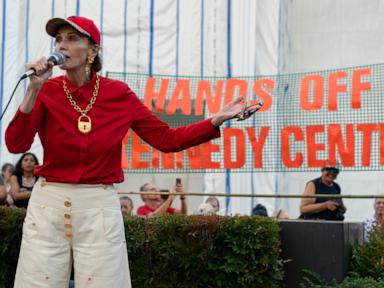
Thousands of people flooded the Foggy Bottom streets on a Friday evening, locking down traffic and chanting slogans that echoed across the Potomac waterfront. They weren't just marching. They were forming a human chain. Their target? The John F. Kennedy Center for the Performing Arts, and the growing fear that President Donald Trump might actually tear down or permanently shutter the nation's premier cultural landmark.
If you've been wondering why Washington is caught in a sudden frenzy of legal filings, activist crowds, and high-stakes court orders, it comes down to a terrifying photo and a rapid sequence of events that caught preservationists entirely off guard.
How a Single Photo Triggered Panic Over the Kennedy Center
The panic didn't come out of nowhere. It intensified sharply after a photograph emerged showing Trump on Air Force One holding a placard that appeared to read “Kennedy Center DEMOLIS—” with the end obscured by the window frame. For a public already scarred by sudden architectural transformations in the capital, that partial word was all it took.
Chris Raleigh, co-founder of the grassroots group Hands Off the Arts, put the collective anxiety bluntly during the protest. He pointed to what happened to the East Wing, noting that people woke up one morning to find a giant hole carved into it before anyone could react. When a president's vanity projects include sudden property takeovers and a history of rapid demolition, the threat to the Kennedy Center feels entirely real.
The Legal Battles and the Sudden Shutdown
The protest followed a chaotic week inside federal courts in Washington. The friction began when Trump had his name placed on the building late last year—a move U.S. District Judge Christopher Cooper later ruled was illegal and ordered removed.
Instead of backing down, the president-aligned board struck back. Hours after Judge Cooper blocked their plans to restore Trump's name, the board voted to close the Kennedy Center indefinitely, citing necessary repairs.
That move prompted quick judicial intervention. On Thursday, Judge Cooper ordered the center to provide a full 30 days of notice before making any major physical alterations or tearing anything down. But activists like Raleigh aren't willing to trust a court order alone when heavy machinery is involved. They want boots on the pavement and bodies around the building.
What the Protestors Are Really Fighting For
The crowd brought out classic DC protest energy. You saw baby Trump balloons dancing against the sunset, inflatable animal costumes, and handmade signs flashing sharp warnings like "Keep your tiny hands off our Kennedy Center" and "You're no Jack Kennedy."
Local arts community members like Bud Wilkinson set up a chalkboard with Trump's name written across it repeatedly, letting passing protesters erase the letters and draw hearts instead. As Wilkinson noted, this fight goes far beyond a nameplate on a wall. It is about protecting performance programming, artistic freedom, and preventing ideological censorship from reshaping the nation's cultural capital.
Meanwhile, Laura Steinberg, a volunteer at the center for a decade, compared the massive turnout to the iconic defiance at Tiananmen Square, vowing to stand directly in front of any wrecking ball that rolled toward the property.
Where Things Stand Right Now
Trump addressed the situation from the Oval Office, defending his stance by claiming the facility is losing money and questioning why his administration should keep it afloat without proper recognition. He stated he could save it easily, but stopped short of directly addressing whether demolition plans are completely off the table.
The legal tug-of-war is ongoing, and the 30-day notice requirement is currently the only physical safeguard keeping heavy equipment at bay. If you live in the area or care about the preservation of national arts infrastructure, keep a close eye on federal court dockets out of Washington as the administration pushes forward with its sweeping urban redesign efforts.