When a state government halts standard regulations overnight, you know things are bad. Texas didn't declare a state of emergency over a hurricane or a grid failure this time. They did it because diesel supplies plummeted, pushing transport, farming, and construction costs past the breaking point.
If you drive a standard commuter car, you might think commercial fuel shortages don't affect you. That is a massive mistake. When the price of diesel spikes, every single item on grocery shelves, hardware store aisles, and Amazon delivery vans jumps right along with it. Trucks burn diesel. Everything you own travels by truck.
Let's break down what is actually happening behind the Texas emergency declaration, why dyed diesel suddenly became the center of attention, and what this fuel crunch means for the broader economy.
The Real Trigger Behind the Texas Fuel Emergency
Governments don't throw around emergency declarations for fun. Governor Greg Abbott signed the order because the state's commercial fuel inventories hit a dangerous low. Farmers couldn't afford to run tractors across fields to harvest crops, truckers faced crippling operational costs, and construction sites ground to a crawl.
Global energy markets are tight. Ongoing disruptions in the Middle East and international trade frictions have squeezed oil refining capacity. When supply drops and demand stays rigid, wholesale prices surge. Texas needed immediate breathing room, so they targeted regulatory red tape to inject fuel back into the supply chain.
What Is Dyed Diesel and Why Is It Illegal on Highways Normally?
If you've never spent time around heavy machinery, agriculture, or commercial construction, you probably haven't heard of dyed diesel. It looks bright red.
That crimson color isn't a performance additive. It is a dye mandated by the federal and state governments to identify fuel intended exclusively for off-road use. Think farm tractors, bulldozers on a construction site, generators, and heavy mining equipment.
Why dye it? Taxes. Standard on-road diesel carries heavy federal and state motor fuel taxes. These taxes pay for highway maintenance, bridge repairs, and road expansions. Off-road equipment never touches public asphalt, so vehicles like tractors don't use public roads. Therefore, the government lets farmers and construction companies buy off-road diesel tax-free.
To keep people from cheating the system and filling up their pickup trucks with cheap, untaxed fuel, federal agents routinely dip tanks. If inspectors catch red fuel in the tank of a highway-legal vehicle, the fines are brutal.
How Suspending the Rules Changes the Game
Under the Texas emergency order, those rules changed temporarily. The state suspended restrictions on dyed diesel, allowing commercial operators and transport trucks to burn off-road fuel on public highways without facing penalties.
It is a clever short-term pressure release valve. Commercial fleets can tap into existing agricultural and industrial reserves that were sitting in storage tanks across the state. They bypass retail fuel tax costs, injecting immediate supply flexibility into a choked market.
At the same time, Texas waived commercial weight limits for vehicles carrying fuel, agricultural goods, and timber up to 95,000 pounds, ensuring heavy loads could move without waiting for oversized permits.
The Downside Nobody Is Talking About
Quick fixes always come with hidden trade-offs. Economists point out that shifting off-road fuel into highway trucks can create localized shortages for the very industries that rely on it most, like farming and ranching. If a tractor sitting in a field can't find red diesel because commercial trucks drank it all up, food production costs go up anyway.
Furthermore, starving the state highway fund of diesel tax revenue creates a funding gap for road repairs. When heavy trucks beat up asphalt without paying their share of fuel taxes, taxpayers eventually pick up the bill down the road.
Beyond Texas: The Wider Economic Ripple Effect
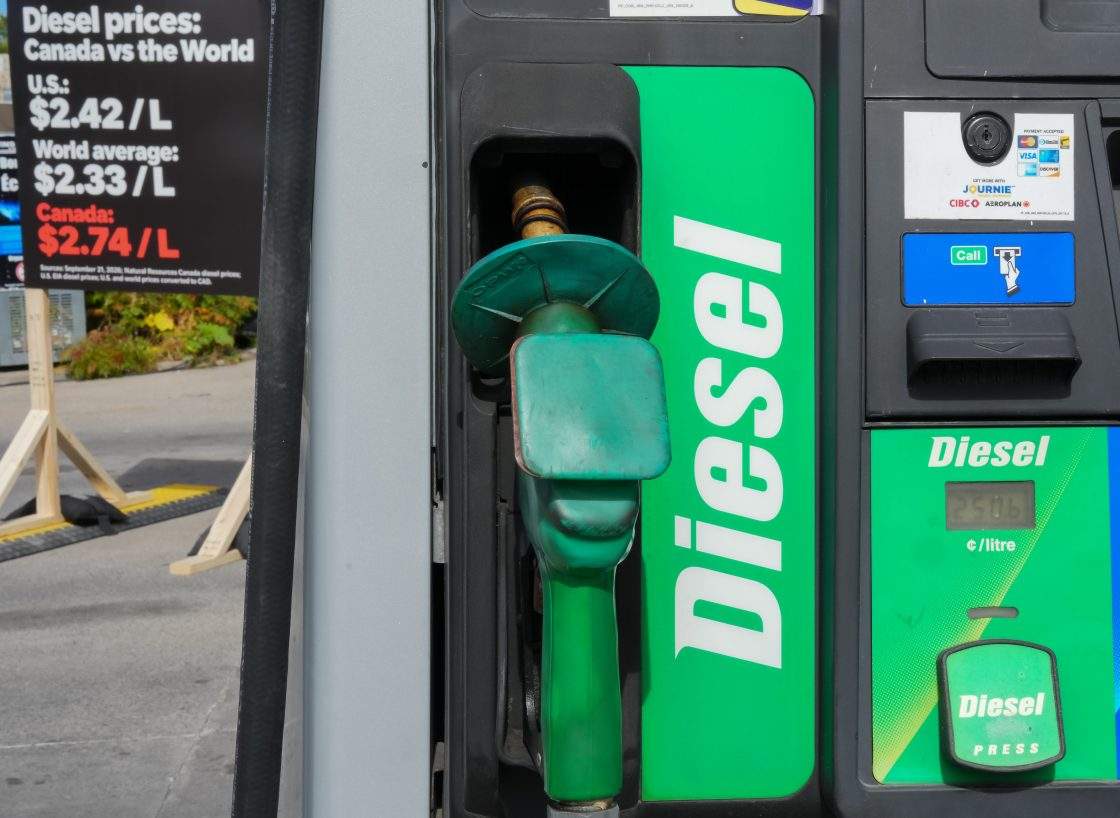
This isn't just a localized Texas problem. Canada and other U.S. states are watching fuel inventories drop rapidly. National averages for diesel have climbed drastically compared to previous years, driven by refining bottlenecks and geopolitical tensions.
When central banks warn that persistent energy spikes will bleed into food and housing costs, they aren't guessing. Diesel powers the logistics network. Every spike at the wholesale terminal forces logistics companies to slap surcharges on shipping invoices.
Solutions like tax pauses or temporary waivers offer temporary relief at the pump, but they do nothing to fix underlying refining capacity constraints or global supply imbalances.
Keep an eye on regional fuel inventories and commercial shipping rates over the coming months. If you run a small business dependent on shipping, build contingency buffers into your pricing model right now. Stop assuming energy costs will magically normalize on their own.