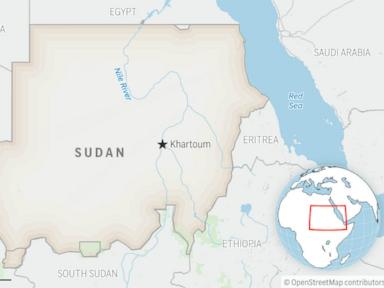
Eleven miners died when an artisanal shaft gave way in northeastern Sudan. It's a brutal reminder of an ongoing crisis.
The partial collapse at the Kirsh al-Fil mine in the remote Howeid desert area—situated between Atbara and Haiya in the Red Sea state—also left seven others injured. The Sudanese Mineral Resources Company (SMRC) confirmed the disaster. They admitted they'd previously ordered operations to halt due to severe safety violations. Miners ignored the warnings. They went back anyway because survival depends on it.
When you look at the economics driving these operations, you realize warnings don't stop desperate people. Sudan's civil war between the Sudanese Armed Forces (SAF) and the Rapid Support Forces (RSF) has torn the country apart. Millions face acute food insecurity. Traditional and artisanal gold mining remains one of the few ways to make actual cash, even if it kills you.
The Reality of Informal Mining in Sudan
Sudan is one of Africa's top gold producers. Traditional and small-scale operations generate the vast majority of that output, bringing in massive production figures even amid total state collapse. Government data showed national production hitting roughly 64 tonnes.
Yet, millions of artisanal workers operate outside any real safety framework. They dig makeshift shafts without timber reinforcement or proper ventilation. They use dangerous chemicals like mercury without protective gear.
- Unregulated shafts lack basic structural support.
- Rescue equipment is scarce or nonexistent.
- State oversight vanished as conflict overwhelmed institutional capacity.
Mining collapses aren't rare anomalies. They happen with terrifying regularity. A 2021 disaster killed 38 people. Another collapse in 2023 claimed 14 lives. Each time, state officials issue warnings and pledge tighter monitoring. Nothing changes on the ground because the economic engine of informal gold is too deeply embedded in the survival strategies of local populations.
How the Conflict Fuels the Danger
The ongoing war makes a hazardous industry exponentially worse. Both warring factions rely heavily on gold revenues and informal trade routes to fund their military efforts. Much of the extracted gold bypasses official channels entirely, smuggled across borders into Chad, South Sudan, and Egypt before moving onward to global hubs like the United Arab Emirates.
With the state fractured, regulatory enforcement is basically non-existent outside safe zones. The SMRC can issue suspension orders, but they don't have the enforcement power or the alternative economic support to keep desperate workers out of dangerous shafts.
If you're tracking how resource wealth functions during civil conflicts, this dynamic is critical to understand. Wealthy natural resources don't always build stable nations. Sometimes they fuel the exact instability that forces workers into death traps.
What Needs to Change
Fixing this crisis requires more than blaming miners for ignoring shutdown orders. You can't preach safety regulations to people facing starvation. Real reform demands addressing the structural drivers of the conflict, restoring economic stability, and providing legal, regulated alternatives for small-scale miners who have zero other options to feed their families.
Until the war ends and governance returns, shafts will keep collapsing. More miners will head down into the dark. Stop looking at these incidents as isolated accidents. They are symptoms of a systemic collapse that claims lives every single day.