The biggest rocket ever built just reached orbit. Then it came down early, wrapped in fire.
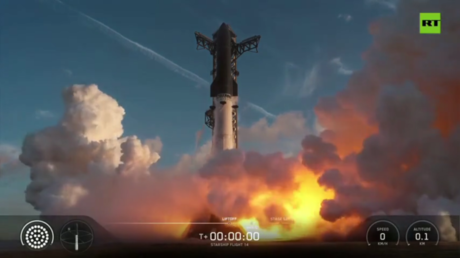
SpaceX launched the 407-foot Starship from its Texas base on a Monday morning in September 2026. The vehicle carried 26 advanced Starlink satellites and achieved a stable speed of 17,500 mph at an altitude of 170 miles. Mission controllers chanted that Starship was officially orbital.
Then things changed fast. Instead of completing six full loops around Earth across a planned 10-hour duration, flight controllers cut the test short. They brought the spacecraft down over the Pacific Ocean north of Hawaii after just a couple of circuits. Upon splashdown, the massive rocket tipped over and erupted in flames.
Why abort a successful orbital insertion? Elon Musk and his engineering team aren't gambling with public safety. SpaceX has executed 14 full-scale test flights from Starbase in three years, moving from sub-orbital hops to Indian Ocean recoveries. Bringing a multi-story steel ship crashing down over populated landmasses is a quick way to lose regulatory approval and public trust. Testing a rocket this size means accepting controlled chaos, but you don't push your luck when lives and billion-dollar hardware hang in the balance.
Overcoming Engine Failure Right Off the Pad
The mission almost ended before it left the atmosphere. One of Starship's Raptor engines shut down prematurely during the initial ascent from Starbase.
That kind of anomaly would have grounded older launch vehicles instantly. SpaceX flight controllers assessed the telemetry, confirmed the remaining engines could carry the weight, and pushed forward. The rocket cleared the tower, dropped its first-stage booster into the Gulf of Mexico, and punched through into space.
Redundancy saves missions. SpaceX builds multi-engine architectures precisely so a single failure doesn't spell total catastrophe. Still, an early engine shutdown combined with a truncated mission profile shows engineers are finding edge cases they need to fix before crewed flights begin.
The Artemis Connection and Lunar Ambitions
This isn't just about launching internet satellites. NASA has billions riding on Starship's success.
The Artemis moon program depends entirely on heavy-lift orbital architecture. NASA's upcoming Artemis III mission relies on a complex orbital ballet. An Orion capsule carrying astronauts will dock in Earth orbit alongside lunar landers built by competing commercial providers. Jeff Bezos' Blue Moon lander and Musk's Starship are both vying to ferry astronauts down to the lunar surface.
Subsequent moonshots will alternate between these two heavy-duty systems. If Starship can't prove it can survive prolonged orbital operations, manage thermal loads across multiple orbits, and execute precision landings, NASA's timelines slip even further.
What Happens Next for the Starship Program
SpaceX isn't resting. Engineers are already examining the data from this Pacific splashdown, just as they studied the previous vehicle towed back from the Indian Ocean earlier this year.
The next major milestone involves the launch pad itself. SpaceX wants to ditch water landings entirely and catch returning Starship vehicles using giant mechanical launch-tower arms. Musk puts the odds of pulling off a successful tower catch on the next attempt at even or better. If that works, expect a rapid turnaround with flights repeating before the year runs out.
Facilities are expanding past Texas. A second launch site nears completion at Florida's Kennedy Space Center, and a third is planned for Louisiana. Falcon 9 will eventually phase out, replaced entirely by fully reusable Starship fleets designed for high-frequency cadence.
Check the telemetry data released by SpaceX mission updates. Watch the FAA licensing filings for upcoming Florida tests. The hardware is flying, the cadence is accelerating, and the era of heavy-lift commercial space transport is moving past the drawing board.