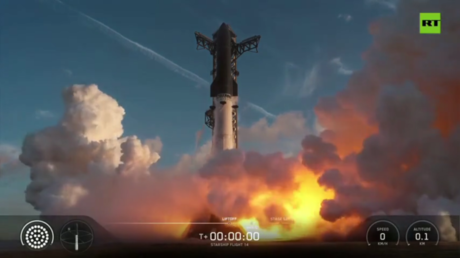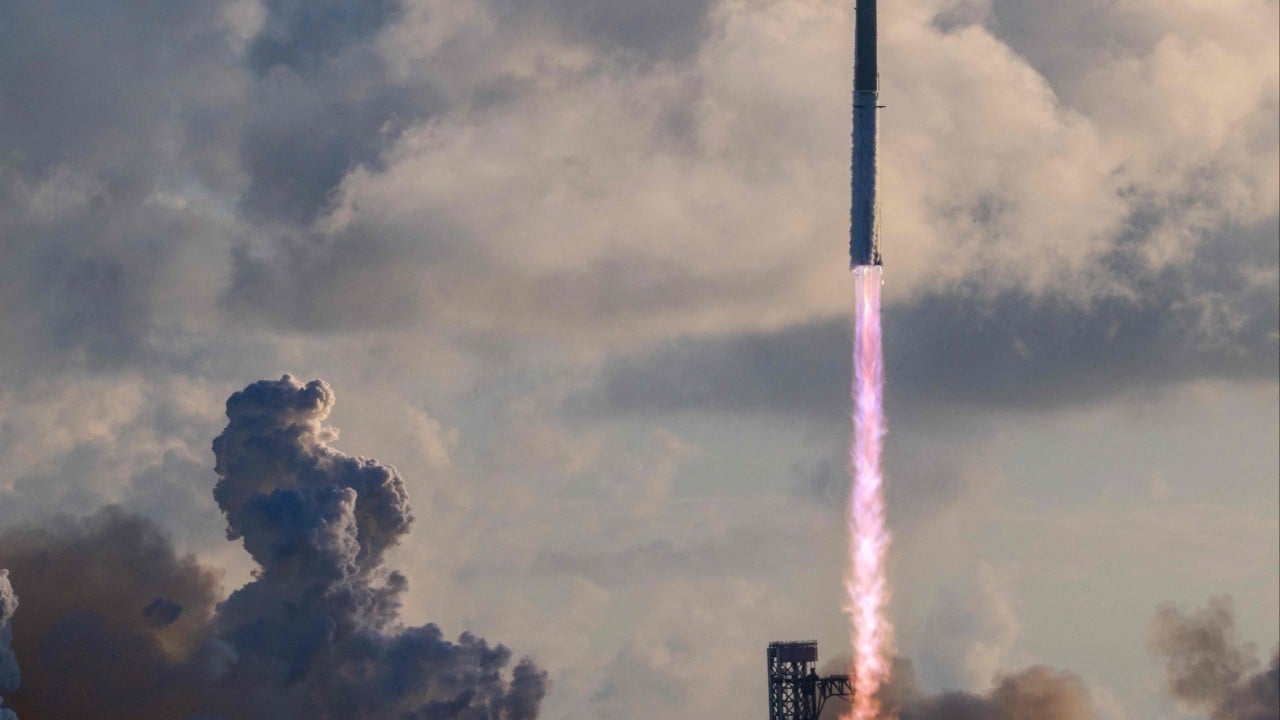
For years, skeptics watched SpaceX blow up massive steel rockets in South Texas and called the program a glorified fireworks show. On Monday, September 28, 2026, those critics ran out of excuses. During its fourteenth integrated test flight from Starbase, the towering Starship megarocket finally did what it was built to do: it reached Earth orbit.
It wasn't a clean, picture-perfect cruise from ignition to touchdown. Just minutes into the climb, an upper-stage engine shut down prematurely, nearly triggering a scrubbed orbital attempt. But redundancy saved the mission, flight controllers pressed forward, and mission control delivered the words space enthusiasts have waited years to hear: “Starship is orbital.”
Overcoming Engine Failure on the Fly
Spaceflight rarely goes according to script. On Flight 14, one of the ship's Raptor engines cut out early during the ascent, and a booster engine also failed to relight properly during the turnaround sequence. In the early days of aerospace development, a single dropped engine could spell absolute doom for an entire launch vehicle.
SpaceX operates differently. Because the vehicle features heavy propulsion redundancy, flight controllers evaluated the telemetry data in real-time, reversed an initial call to abort the orbit attempt, and trusted the onboard systems. That calculated risk paid off. Starship coasted into a low Earth orbit at an altitude of roughly 275 kilometers, proving that the hardware can absorb failures and still complete its primary objective.
Deploying Real Cargo to Space
This flight marked a massive evolution from previous tests. The first 13 integrated flights intentionally relied on suborbital trajectories to gather atmospheric data without risking permanent orbital debris. This time, SpaceX added a commercial heartbeat to the test by carrying and successfully deploying 26 next-generation Starlink V3 broadband satellites.
Communication teams established contact with all 26 satellites shortly after deployment. Turning a pure engineering testbed into an operational delivery truck shows how fast SpaceX iterates. They don't wait for perfection in a lab; they test in the vacuum of space, break things, fix them, and deploy paying cargo simultaneously.
Cutting the Flight Short for Safety
Even though Starship reached orbit, the mission didn't run its full course. Planners originally intended for a 10-hour duration spanning multiple orbits before a planned splashdown near Chile. Because of the early engine anomalies, controllers elected to bring the ship home early.
The spacecraft reentered the atmosphere, headed over the Pacific, and splashed down north of Hawaii about three hours after liftoff, ultimately tipping over and erupting in flames upon impact. While the fiery end might look like a failure to casual observers, aerospace veterans know that recovering telemetry from an orbital reentry under stressed conditions is worth its weight in gold. NASA Administrator Jared Isaacman publicly praised the team for managing every step safely and responsibly, noting the critical importance of Starship for upcoming lunar exploration goals under the Artemis program.
What Happens Next for the Starship Program
Reaching orbit checks off the biggest box on SpaceX's roadmap, but the engineering treadmill doesn't slow down. The company is actively building out a second launch site at NASA's Kennedy Space Center in Florida and plotting a third site in Louisiana.
Elon Musk and his engineering teams are pushing toward rapid reuse, aiming to catch returning boosters and ships out of the sky with mechanical arms. If those catch attempts become routine, the cost of lifting heavy payloads into space will plummet by orders of magnitude. Falcon 9 has dominated the commercial launch market for a decade, but Starship is poised to phase it out entirely.
If you want to track where the aerospace industry is heading over the next twelve months, stop looking at suborbital hops and start watching how fast SpaceX can turn around orbital hardware. The era of heavy, cheap interplanetary logistics just took its first real breath.