Saskatoon firefighters just lived through a brutal weekend, answering 90 overdose calls in three days. Between July 17 and July 20, 2026, emergency crews moved from one crisis to the next as a toxic, unidentified drug swept through the city.
The Saskatchewan Ministry of Health issued an urgent warning, but if you've been watching the situation unfold in North America over the past few years, you know an alert alone won't fix this.
What happened in Saskatoon over those 72 hours isn't just a sudden statistical anomaly. It's a stark warning about what happens when public policy leaves front-line workers unsupported while toxic street supplies evolve faster than emergency services can keep up.
Why 90 Calls in 72 Hours Should Alarm Everyone
Ninety calls in a single weekend isn't just a high number. It represents an overwhelming strain on local first responders, who were already reporting high call volumes earlier in 2026.
First responders didn't just see a high volume of calls—they faced an unusual severity in medical distress. Paramedics and fire crews found themselves resorting to aggressive life-support protocols:
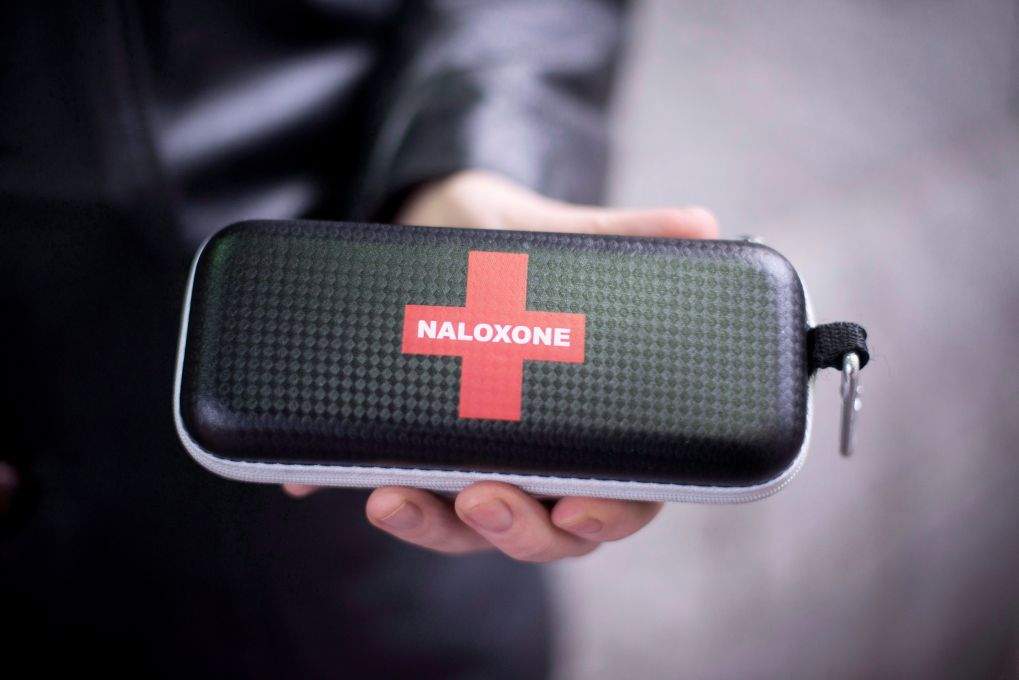
- Administering multiple doses of Narcan (naloxone) to reverse a single poisoning.
- Performing CPR on scene for extended periods.
- Relying on manual ventilation to keep people breathing before ambulances arrived.
When standard doses of naloxone fail to quickly bring someone around, it usually means the drug supply has been cut with potent synthetic opioids like fentanyl or non-opioid sedatives like xylazine and benzodiazepines. Naloxone only blocks opioid receptors; it does nothing to reverse non-opioid tranquilizers, leaving victims in severe respiratory depression even after the opioid component is neutralized.
What the Official Health Alerts Miss
When public health authorities issue an advisory, the messaging is fairly standard: don't use alone, carry a Take Home Naloxone kit, and call 911 immediately. While that advice saves lives, it skips over the systemic breakdown happening on the ground.
Earlier in 2026, Prairie Harm Reduction—Saskatoon's primary harm reduction hub and operator of the city's only supervised consumption site—was forced to shut its doors following leadership changes and severe provincial funding cuts. Front-line workers warned at the time that closing supervised spaces wouldn't stop people from using drugs; it would simply push consumption into alleys, public parks, and isolated homes where nobody is around with a naloxone kit.
Fast forward to mid-2026, and those warnings are playing out in real time. Without accessible drug-checking infrastructure or safe consumption spaces, people buying on the street are essentially taking a blind gamble every single time.
How to Recognize and Act on an Overdose Immediate Steps
If you live in or around Saskatoon, knowing what to look for can literally mean the difference between life and death for someone on the sidewalk or in your building.
Signs of Toxic Poisoning
- Deep, irregular gurgling, snoring sounds, or complete silence.
- Blue, purple, or pale lips and fingernails.
- Cold, clammy skin and extreme lethargy.
- Unresponsiveness to loud noise or a firm sternum rub.
What You Need to Do Immediately
- Call 911 Right Away: Don't hesitate or wait to see if the person wakes up. Under Canada's Good Samaritan Drug Overdose Act, you and the person experiencing the overdose are protected from legal charges for simple possession when calling for emergency help.
- Administer Naloxone: Spray one dose into a nostril. If there is no response after two to three minutes, give a second dose in the other nostril. Because current street samples are so potent, you may need to use three or four doses before emergency teams arrive.
- Provide Breathing Support: If the person isn't breathing, give rescue breaths if you are trained and equipped to do so.
- Stay Until Help Arrives: First responders need clear details on what was administered and how long the person was unresponsive.
What Comes Next
Treating the drug toxicity crisis as a series of isolated weekend emergencies isn't working. When a city of roughly 280,000 people logs 90 emergency overdose calls over three days, the entire public safety and emergency health apparatus gets stretched thin.
Pick up a free naloxone kit at your local pharmacy or health clinic, get trained on how to use it, and save emergency phone numbers to your device. The street supply isn't getting cleaner anytime soon, and relying solely on overwhelmed fire departments to manage a systemic public health crisis is a recipe for disaster.


:max_bytes(150000):strip_icc()/copenhagen-dk-COPENHAGENTG0721-4a481cb6025b43d1a781b1571b144f46.jpg)