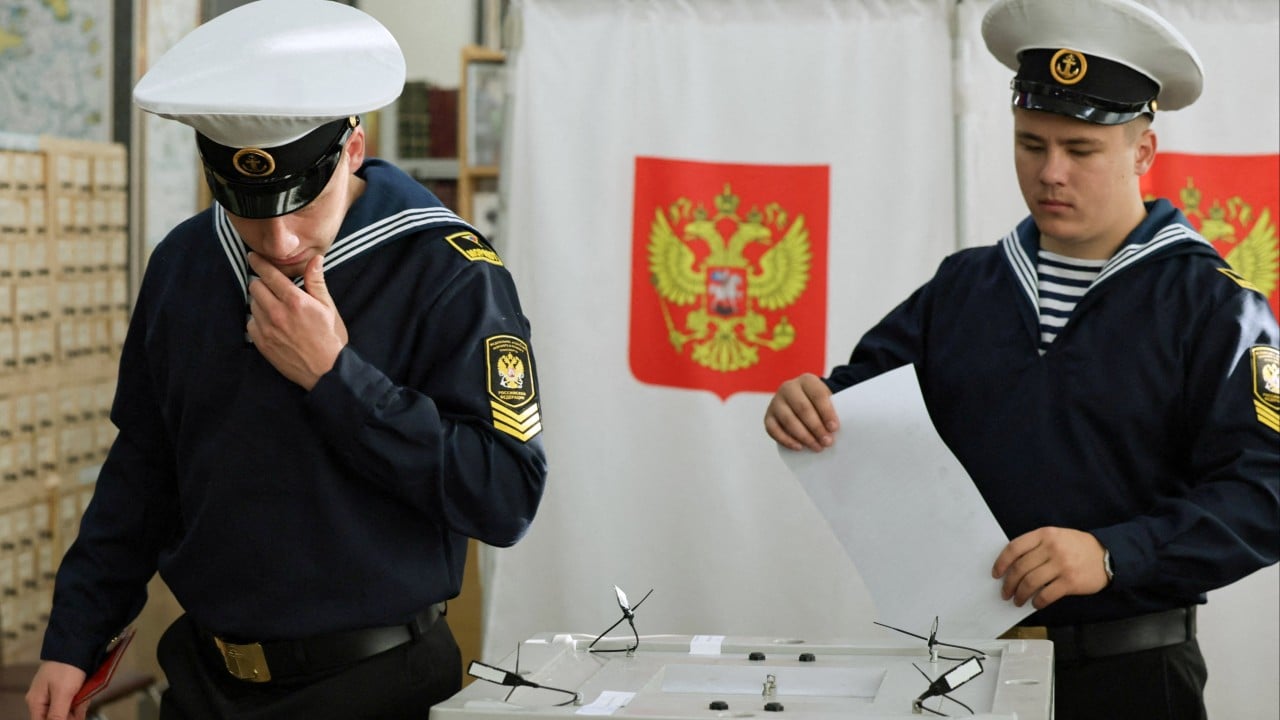
Millions of people across Russia are heading to polling stations this weekend for a three-day vote that will lock down all 450 seats in the State Duma. This isn't just another routine trip to the ballot box. It is the first parliamentary contest since Moscow launched its full-scale invasion of Ukraine back in February 2022, turning a standard legislative renewal into a high-stakes stress test for Vladimir Putin's government.
If you look at the mechanics, the setup is familiar. President Vladimir Putin and his ruling United Russia party have spent months tightening the screws on any remaining political friction. The Supreme Court cleared the board by removing the anti-war Yabloko party from the ballot entirely, leaving only a handful of loyalist opposition groups like the Communists and the Liberal Democrats. Yet, beneath the manufactured certainty, the Kremlin is treating these three days of voting as an existential barometer of public morale. Don't forget to check out our earlier post on this related article.
The Wartime Context Behind the Ballot
You can't separate this weekend from the economic strain and daily anxiety gripping parts of the Russian population. With the conflict dragging on, ordinary citizens face a slowing economy and the psychological weight of Ukrainian drone strikes hitting targets far from the front lines, from oil refineries to industrial warehouses.
Authorities stretched the voting process across three days and rolled out electronic balloting options to boost participation among the roughly 111 million eligible voters. But the real goal is simple: manufacture an undeniable display of national consensus. Putin framed the choice in stark terms before polls opened, telling the nation that a heavy turnout would show the world that millions stand firmly behind Russian soldiers and that domestic opposition remains entirely isolated. To read more about the context here, The New York Times offers an excellent breakdown.
What is Actually on the Line
With the ruling party heavily favored to retain its two-thirds majority in the lower house, the outcome of the seat distribution is hardly a mystery. The legislature functions as a rubber stamp for executive decrees, and this cycle won't break that mold.
However, political analysts point out that the Kremlin is watching regional turnout numbers and quiet signs of citizen discontent much closer than official vote tallies might suggest. The inclusion of voting in Russian-controlled parts of Ukraine—which Kyiv and international observers have dismissed as illegal and void—adds another layer of geopolitical theater designed to project permanence.
When the polls close on Sunday night, the State Duma will look almost identical to the last one. The real shift happens in how the state manages dissent behind closed doors, using a tightly managed electoral ritual to draw a hard line against anyone questioning the ongoing war effort.
Check out this BBC News report on Russia's parliamentary election to see more details on how the vote is being handled on the ground.
http://googleusercontent.com/youtube_content/1