The North Arabian Sea just got a lot more crowded. When a navy quietly conducts its first live firing with a brand-new diesel-electric submarine class, defense analysts pay attention.
Let's talk about the Pakistan Navy Hangor class submarine program. Most military observers gloss over regional naval drills, dismissing them as routine posturing. That's a mistake. This specific live-firing test marks a major operational leap for Islamabad's underwater warfare capabilities. It signals a shift in the maritime balance of power across the Indian Ocean region.
You need to understand what this vessel actually represents. It isn't just a piece of hardware bought off the shelf. It's a strategic asset designed to change how regional adversaries patrol contested shipping lanes.
The Reality Behind the Hangor Class Program
Military acquisitions take years to materialize. The Hangor class stems from a major bilateral defense agreement between Pakistan and China signed years ago. Under this deal, eight advanced submarines are built concurrently—four in China and four at the Karachi Shipyard and Engineering Works through a crucial technology transfer framework.
That local construction angle matters immensely. Building modern air-independent propulsion boats requires serious industrial capability. Most nations simply cannot pull this off without extensive foreign hand-holding. Pakistan's ability to co-produce these platforms locally alters its defense manufacturing footprint.
When the lead boat executed its first live-firing test in the North Arabian Sea, it validated more than just the torpedo tubes. It tested the entire combat management system, acoustic sensors, and weapon delivery loops under realistic tactical conditions.
Why the North Arabian Sea Matters
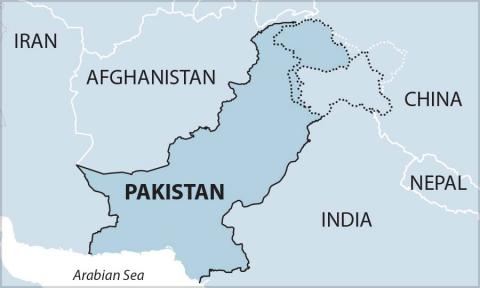
Geography dictates strategy. The North Arabian Sea serves as a critical choke point for global energy supplies and commercial shipping. Whoever controls or contests these waters holds major leverage.
For the Pakistan Navy, acquiring modern subsurface assets solves a persistent strategic dilemma. Surface fleets remain vulnerable to modern anti-ship missiles and air power. Quiet submarines, however, provide an effective sea-denial capability. They force opposing navies to spend billions on anti-submarine warfare resources, complicating their operational planning.
Think about the acoustic environment of the Arabian Sea. Warm, shallow waters and high salinity create complex sonar conditions. Operating effectively in this environment requires specialized training and highly sophisticated hull designs. The success of this recent live firing proves the platform handles local maritime conditions without major hitdowns.
Capabilities That Change the Equation
Let's look past the press releases. What makes these submarines genuinely dangerous to adversaries?
First comes the Air-Independent Propulsion system. Traditional diesel-electric boats must surface or snorkel frequently to recharge batteries, exposing them to radar and thermal detection. AIP technology allows these submarines to stay submerged for weeks at a time. That drastically reduces their acoustic footprint and vulnerability.
Second, the armament package packs a heavy punch. While exact tactical details vary, these boats deploy advanced heavy-weight torpedoes and anti-ship cruise missiles capable of striking targets at significant standoff ranges.
Third, sensor integration has evolved. Modern combat management systems process vast amounts of acoustic data in real time. Crews don't rely solely on manual tracking anymore. Automated target motion analysis speeds up the decision-making cycle during high-stress operational scenarios.
Regional Ramplications and Naval Strategy
Defense dynamics in South Asia rely heavily on deterrence. Naval modernization usually triggers a reactive cycle among neighboring states. New Delhi will undoubtedly factor these operational milestones into its own fleet expansion plans, particularly regarding its anti-submarine aviation and destroyer acquisitions.
We are watching a slow-motion naval arms race unfold underwater. Surface ships get all the glory during port visits and joint exercises, but submarines win wars of attrition. They sit silently, gather intelligence, and wait for authorization.
The successful live firing demonstrates that the transition from paper design to operational deployment is happening right on schedule. That should wake up anyone who thought regional defense timelines always face endless delays.
What Comes Next for Submarine Operations
If you want to track where this goes next, keep an eye on two specific indicators.
First, watch the progress at the Karachi Shipyard. The true test of this program isn't the first hull built abroad, but the subsequent hulls assembled locally by Pakistani engineers and technicians. Master that industrial process, and the entire domestic defense sector levels up.
Second, watch for joint exercises. Deploying these submarines alongside surface combatants and maritime patrol aircraft will test fleet-level interoperability. Standalone capability means little if a navy cannot network its platforms effectively during a crisis.
Keep your eyes on the maritime domain. The underwater balance in South Asia is shifting, and this live fire was only the opening salvo.