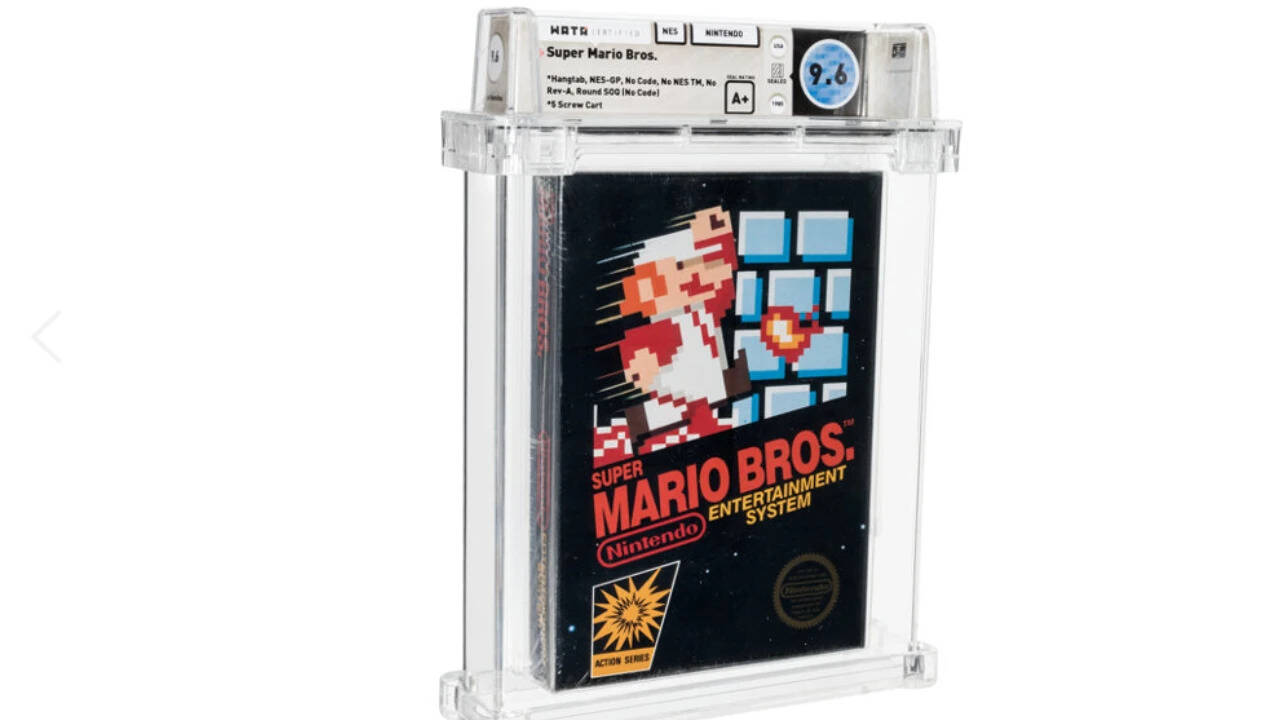
You toss old office supplies into the bin without a second thought. Most desk drawers hold paperclips, expired coupons, and dried-up pens. But back in late 1986, one buyer dropped a pristine copy of Super Mario Bros. into their desk drawer as a holiday present, forgot about it entirely, and left it completely untouched for thirty-five years. When that forgotten cartridge finally saw daylight, it fetched an astonishing $660,000 at Heritage Auctions in Dallas, Texas.
People lose their minds over video game valuations. Why would a piece of plastic and silicon command luxury sports car money? The answer isn't just nostalgia. It comes down to a freak intersection of manufacturing quirks, rare packaging variants, and preservation grades that collectors obsess over. If you found value in this piece, you should read: this related article.
The Packaging Detail That Changed Everything
Most casual gamers remember ripping off plastic wrap without hesitation. That split-second act of destruction is precisely why surviving sealed copies command fortunes today.
Heritage Auctions verified that this specific copy carried a Wata 9.6 A+ grade. More importantly, it featured a rare perforated cardboard hangtab. Nintendo used this variant during an extraordinarily brief production window in late 1986 before shifting to different box designs and security seals. For another perspective on this story, check out the recent coverage from Reuters.
If you bought your Nintendo Entertainment System around the holiday season that year, you might have held the exact same print run in your hands. Back then, nobody viewed home video games as appreciating assets. They were toys meant to be opened, played, beaten, and eventually traded or tossed away. Finding one that escaped that cycle entirely is like finding an untouched 1952 Mickey Mantle baseball card.
The Economics of Retro Collecting
The retro market operates on extreme scarcity. When the $660,000 sale happened, it shattered the previous record held by another copy that went for $114,000 just months prior.
Market dynamics for vintage collectibles rely heavily on a few non-negotiable factors:
- Factory-sealed condition verified by professional grading companies.
- Extremely limited production runs or unique regional variants.
- Provenance and a clear, verifiable chain of custody.
The anonymous seller admitted they simply threw it in the bottom of their office desk and never thought about it again. They didn't buy it as an investment. It was pure luck.
What You Should Look For in Your Attic
Don't go quitting your job just yet. Most old games sitting in your parents' basement are loose cartridges worth twenty bucks. But if you have vintage boxes tucked away in a closet, check the details before throwing them out.
Look closely at the cardboard flaps, seal types, and publisher stamps. Minor variations in how Nintendo printed their boxes can mean the difference between pocket change and a down payment on a house. Check the condition of the shrink wrap, inspect the corners for shelf wear, and never attempt to clean or tamper with a sealed box yourself.
Clean out your old storage spaces. You probably won't find a half-million-dollar cartridge, but checking what's gathering dust might surprise you.