Big tech companies thought they had cleaned up their legal messes. They were wrong.
A New Mexico jury just found Facebook liable for deceiving users about data privacy protections, delivering a brutal blow to Meta in a trial that dragged the infamous Cambridge Analytica scandal right back into the courtroom spotlight. Over 43 million violations of state consumer protection law were pinned on the social media giant.
If you think this is just another corporate slap on the wrist, look closer. State prosecutors are gunning for the maximum penalty of five thousand dollars per violation. The final bill could easily reach astronomical heights once the judge weighs in.
Why This Case Survived When Others Died
You might wonder how this lawsuit made it to a jury trial while dozens of other states folded. It comes down to a massive strategy shift in legal settlements.
Earlier this year, Meta agreed to pay up to eighteen billion dollars to settle a sweeping multistate lawsuit focused on child safety. Buried deep inside that massive one hundred and thirty-page settlement was a crucial clause. It released Meta from future liability regarding the Cambridge Analytica privacy breach.
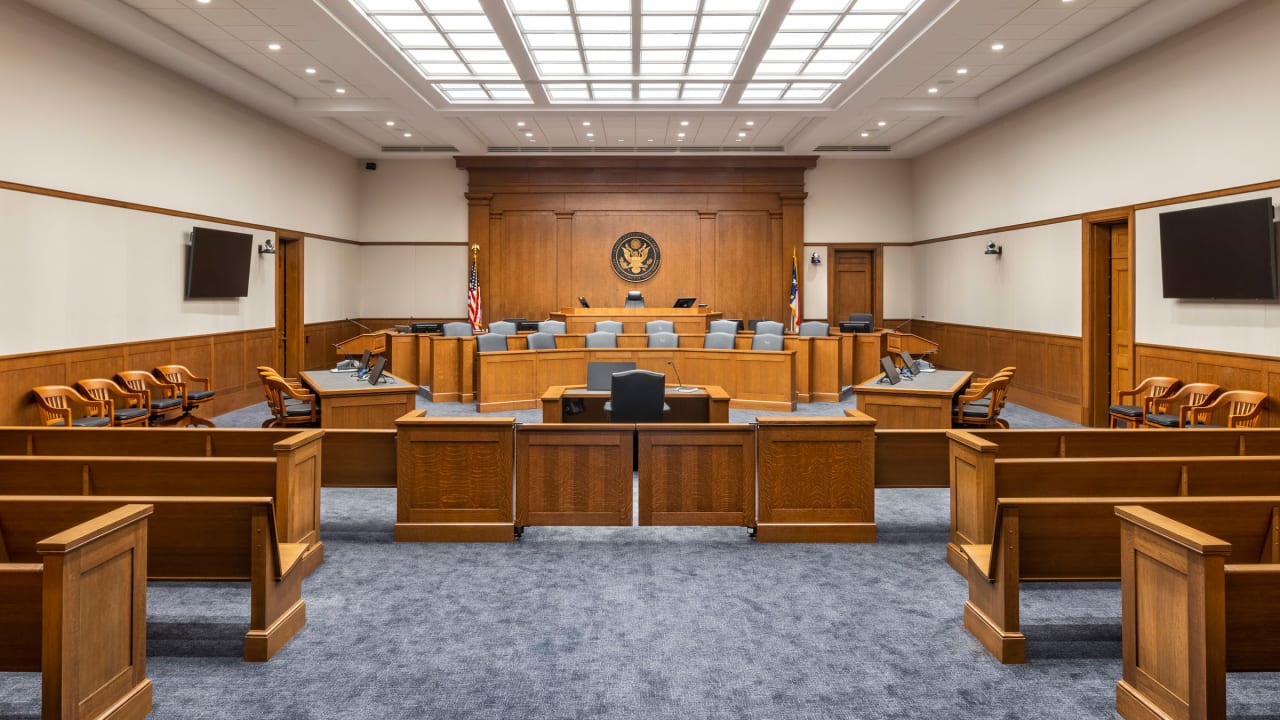
Most states signed away their rights to sue. New Mexico refused. Florida also stood its ground, calling the multi-state terms too weak, but New Mexico took the fight all the way to a Santa Fe courtroom. That stubborn refusal to settle now leaves Meta exposed to catastrophic financial damages that other jurisdictions traded away.
The Core Deception
The two-week trial centered on broken promises. Prosecutors walked jurors through thirty-four specific statements made by company executives regarding data protection and third-party app security.
Back in the wake of the scandal involving a personality quiz that harvested data from roughly eighty-seven million profiles for political targeting, Facebook promised sweeping reforms. They assured the public that apps were being thoroughly investigated and user data was locked down.
Jurors didn't buy the corporate defense. They found that Facebook made deceptive statements affecting New Mexico's entire population of over two million residents. The company misled the public about investigations into data brokers, turning public relations statements into actionable fraud under state law.
Meta Fires Back
Meta's legal team didn't go down quietly. During closing arguments, defense lawyers slammed the state's evidence as severely outdated. They pointed out that despite having five years to comb through files, New Mexico lawyers failed to unearth more than one other major instance of a data breach.
Alex Burgos, a spokesperson for Meta, stated that the company disagrees strongly with the verdict and will continue defending itself against efforts to distort its record. Meta's defense leaned heavily on free expression, arguing that managing platform content and user privacy involves protected First Amendment activities.
Yet, the jury split the difference carefully. While they hammered Facebook on privacy deception and data broker misdirection, they did clear the company on a few specific allegations regarding the removal of certain types of online content, such as pandemic misinformation. It wasn't a total sweep for the state, but the victories on data protection were absolute.
What This Means For You
Tech giants spend millions crafting terms of service that sound reassuring while quietly harvesting every data point you generate. This verdict proves that state consumer protection laws can pierce through corporate spin.
When a company tells you your data is secure while allowing third-party harvesters through the backdoor, the legal system is finally waking up to the cost of that deception. Expect other states to regret signing away their litigation rights as New Mexico writes a new playbook for holding tech monopolies accountable.