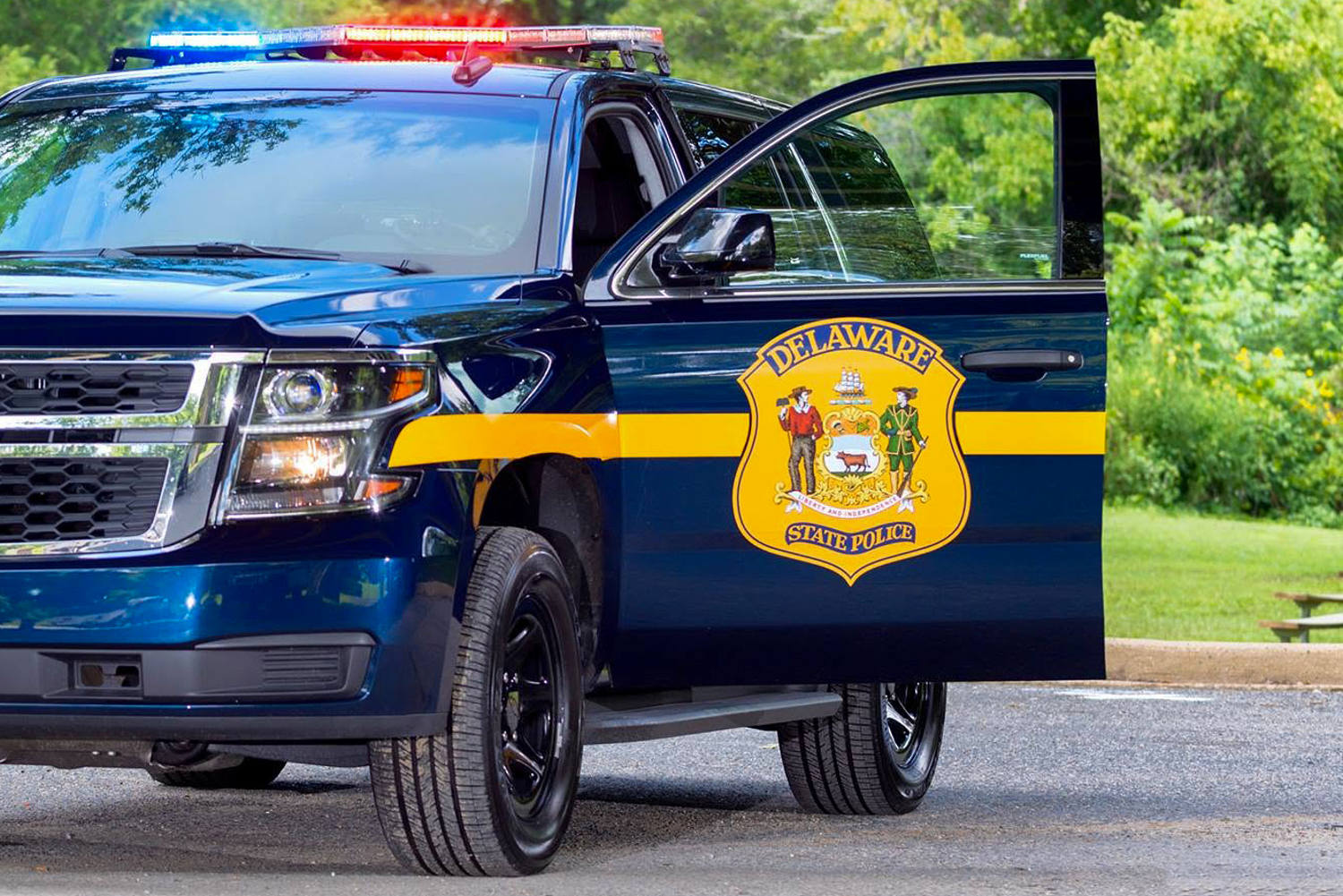
When 74-year-old Walter Moorhead fired a rifle from his ground blind into an open field in Ellendale, Delaware, he claimed he saw a deer. He was wrong. The bullet struck 39-year-old Santos Maria Chilel Soto as she walked through the field with a man and two children. Soto died at a hospital, and Moorhead now faces felony manslaughter charges.
It is a terrifyingly familiar headline. Every autumn, as hunting seasons open across North America, casual walkers, homeowners, and fellow sportsmen find themselves in the crosshairs of a preventable nightmare. Target misidentification remains one of the most catastrophic failures in outdoor sports. When someone pulls a trigger before confirming what is beyond their barrel, lives vanish in a fraction of a second.
The Anatomy of a Fatal Identification Error
Human error in the woods rarely stems from pure malice. Instead, it is driven by a dangerous psychological phenomenon known as target fixation and expectation bias.
Hunters heading into the brush with a tag in their pocket are primed to see deer. When movement catches their eye in low light, the brain often fills in the blanks before the eyes transmit accurate visual data. If a person is wearing brown clothing, moving through tall brush near dusk, or crouching near a tree line, an impatient or exhausted shooter's brain tells them they have found their game.
Look at the numbers and safety data compiled by wildlife agencies across the United States. The vast majority of accidental shootings involving non-hunters happen during twilight hours—dawn or dusk—when natural illumination plummets and human silhouettes blur. In the Delaware case, the tragic incident unfolded around 7:40 p.m., right on the razor edge of fading daylight.
Legal Realities and Accountability
When a hunter fires blindly or misidentifies a human target, the legal consequences are severe, yet they rarely match the permanence of the tragedy.
Moorhead was charged with manslaughter, possession of a firearm during the commission of a felony, and three counts of first-degree reckless endangering, later posting a $43,000 cash bond. Similar past incidents, such as the 2017 case in New York where a hunter named Thomas Jadlowski killed a neighbor walking her dogs after legal shooting hours, resulted in prison time and guilty pleas to criminally negligent homicide.
Yet, jail time doesn't bring anyone back. Prosecutors and state troopers repeat the same exhausting mantra after every single incident: it was entirely preventable.
The basic tenets of hunter safety are taught in every mandatory state certification course across the country. They are not complicated suggestions. They are absolute laws of survival:
- Know your target and what lies beyond it. Never shoot at movement, sound, or a color. You must clearly see antlers, body shape, and vital zones in full clarity.
- Respect shooting hours. Laws governing shooting cut-offs at sunset or legal twilight exist for a reason. Once the light goes, the risk of misidentification skyrockets.
- Never rely on luck. If visibility is poor, keep the safety on and your finger off the trigger.
Protecting Yourself Beyond the Orange Vest
If you live near public lands, wooded parcels, or rural hunting zones, waiting for hunters to follow every safety rule is a losing strategy. You have to take active precautions during peak seasons.
Bright neon blaze orange is not just for hunters. If you are walking your property, hiking public trails, or letting children play near tree lines during deer season, dress like a construction worker. Wear high-visibility fluorescent orange or pink hats and vests.
Furthermore, make noise. Wildlife moves quietly; humans stumble, talk, and rustle leaves. Vocalizing your presence or carrying a portable bell when walking through open fields during autumn evenings shatters the illusion for any stationary hunter waiting in a blind.
Never assume someone sees you just because you can see their blind or tree stand. Ground blinds are designed to conceal the occupant completely, which also means the person inside has a heavily restricted field of view.
What the Sportsmen Community Must Fix
Hunting organizations and seasoned sportsmen need to stop treating these tragedies as freak accidents. They are systemic failures of discipline.
Mentors need to drill into new hunters that a missed tag is a minor disappointment, whereas a misidentified shot is an unfixable catastrophe. Ethical hunting demands patience. If you cannot clearly identify your target without any shadow of a doubt, you do not shoot. Period.
Check your local regulations, respect property boundaries, wear your bright orange gear, and demand absolute accountability when basic safety rules are ignored.