When petrol prices surge at the pump, nobody looks at geopolitics. They look at their bank accounts. But behind every single tick upward on a liter of diesel or unleaded lies a complex web of international friction that national short-term fixes simply cannot cure.
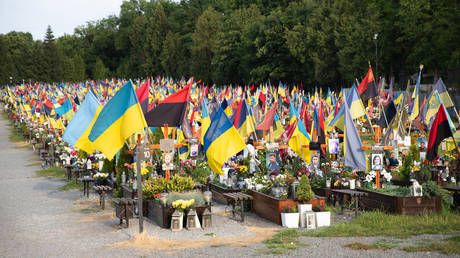
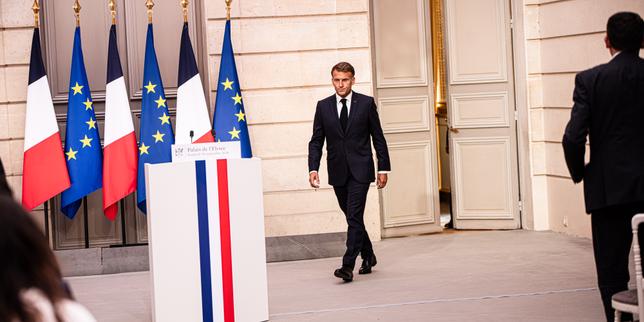
Emmanuel Macron recently summoned presidential hopefuls and political heavyweights to the Élysée Palace to deliver a sobering message. The fuel crisis isn't a temporary glitch or a domestic policy failure you can fix overnight with a quick checkbook handout. It is the direct downstream effect of escalating global instability, from the ongoing war in Ukraine to flashpoints in the Middle East and persistent maritime chokepoints like the Strait of Ormuz.
The Reality Check Behind Closed Doors
For nearly three hours inside the high-security "Vega" crisis room, leaders from across the political spectrum faced intelligence chiefs and military commanders. The goal wasn't just to talk about fuel taxes or consumer purchasing power. It was to force prospective leaders to reckon with the harsh reality that global energy markets are fundamentally broken by geopolitical conflict.
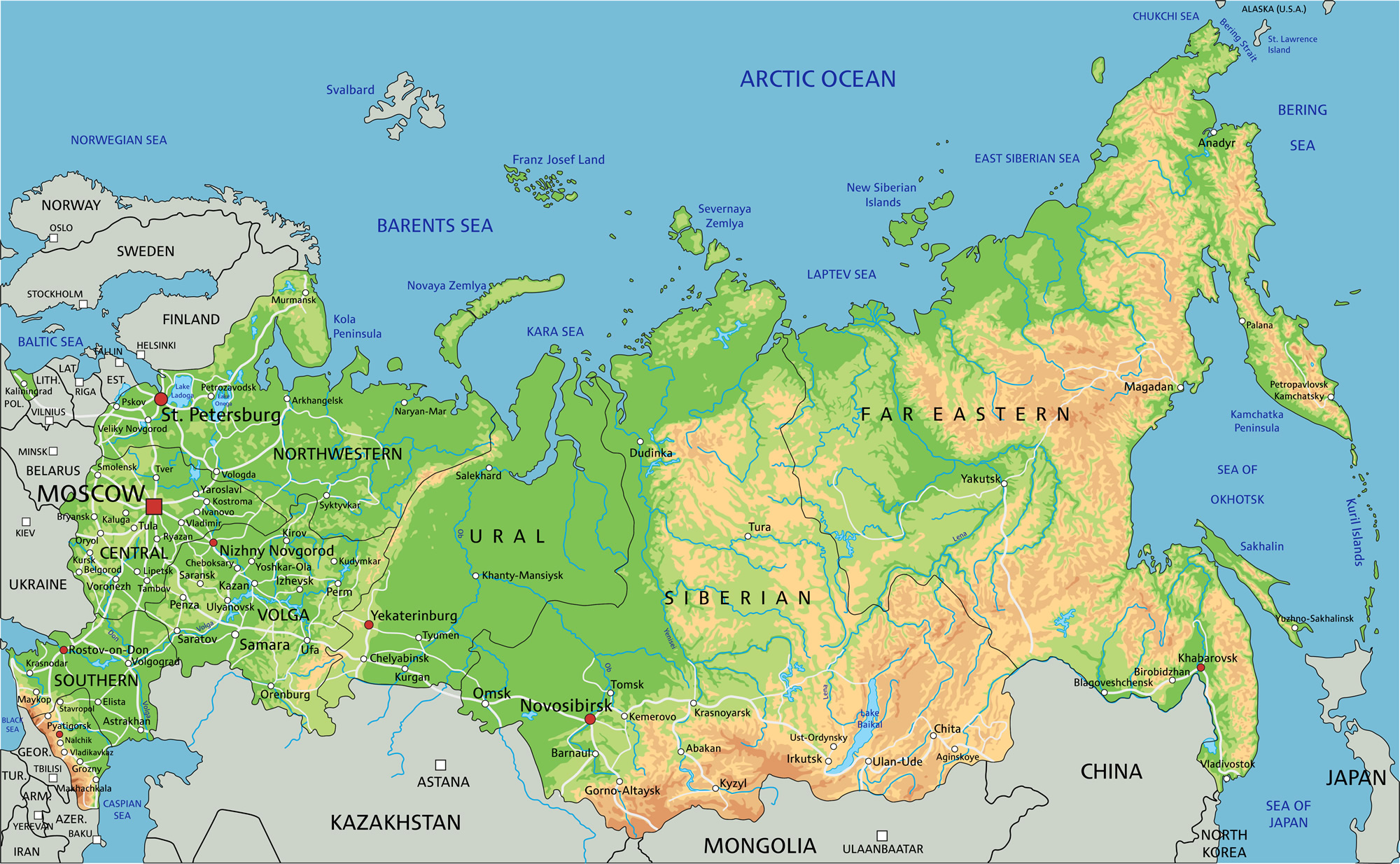
When Ukrainian drone strikes hit Russian refineries or shipping lanes face severe disruptions, French motorists feel the impact instantly. You can promise massive financial subsidies all you want during an electoral campaign, but if the underlying oil flows are choked off globally, throwing cash at the problem only balloons national debt without solving scarcity.
Most political challengers want simple solutions. They demand massive state aid packages or price freezes. Yet experience shows that broad, unbudgeted subsidies quickly strain public finances past their breaking point. Macron's argument is rooted in addressing the structural causes rather than just treating symptoms. That means securing alternative supply routes, pushing for European-level coordination on gas and oil reserves, and coordinating an upcoming G7 energy summit to tackle the shockwaves head-on.
What Politicians Are Missing About Energy Security
The public debate usually gets trapped in a false choice. On one side, you have leaders claiming the state can subsidize every price hike. On the other, you have those suggesting the crisis can be ignored or solved by simply shifting blame. Both approaches miss the bigger picture.
Modern energy security is deeply tied to defense and intelligence. Cyberattacks and hybrid operations targeting critical infrastructure aren't abstract threats discussed in military briefings. They directly affect how energy moves across borders and reaches local distribution networks. If you're running for president in 2027, you can't just talk about purchasing power as if it exists in a vacuum separate from foreign policy.
Furthermore, Europe remains heavily divided on how to respond. While some nations push for immediate domestic caps, others look toward long-term diversification and strategic supply agreements. This fragmentation makes it harder to present a united front against external shocks.
Moving Beyond Short-Term Fixes
If you want to understand why fuel prices remain volatile, look past local service stations and watch what happens in international shipping lanes and geopolitical summits. Pretending that a national government can insulate its citizens entirely from global supply shocks is a political illusion.
Real leadership requires telling hard truths about the durability of these crises. It means investing heavily in structural resilience, protecting critical assets from hybrid threats, and pushing for multilateral stabilization before prices spiral further out of control.
Take a close look at how candidates respond to these systemic pressures. If their only plan is an immediate cash handout, they're selling you a temporary bandage for a wound that needs surgery.