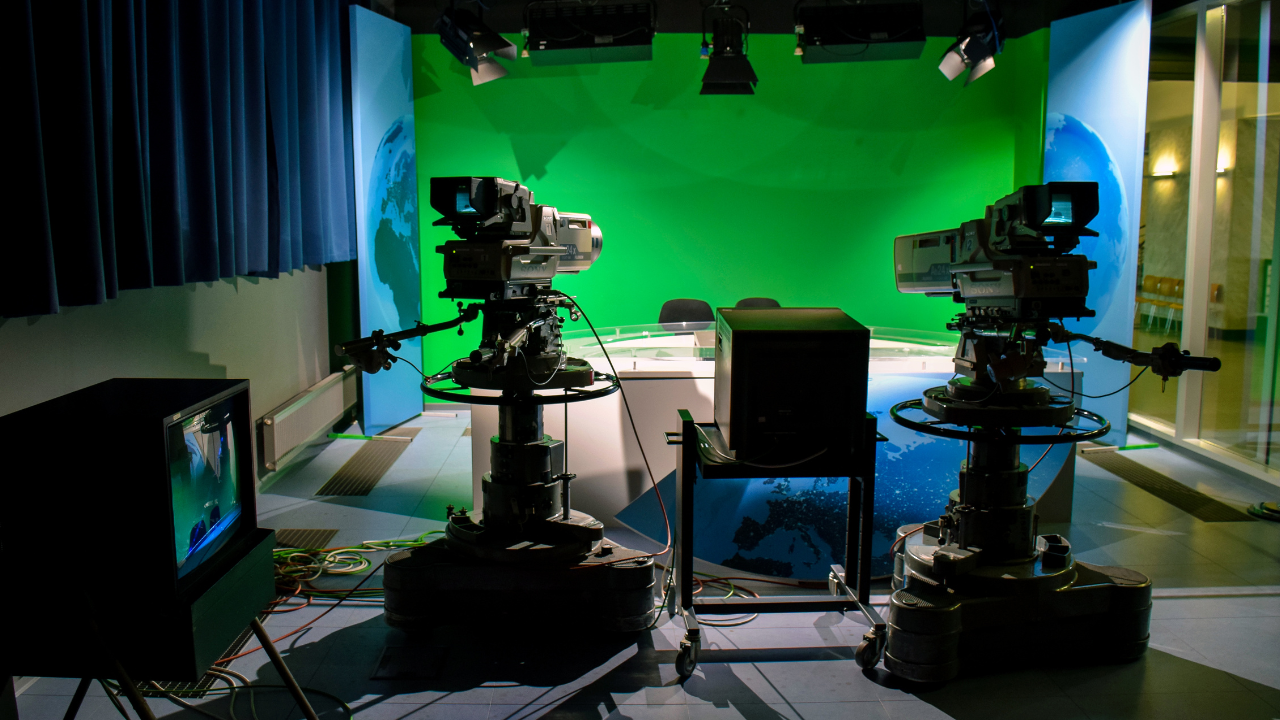
You won't find traditional news anchors at the desk during the six o'clock hour on WGBA in Green Bay anymore. Instead of a chummy duo chatting over a stylized desk, viewers get a weather check straight out of the gate, followed immediately by field reporters breaking down local stories themselves. No banter. No forced segues. Just raw reporting shot, edited, and presented by the journalists actually doing the legwork.
This shift marks a major bet by EW Scripps Co, one of the biggest broadcast station owners in the United States. With audiences abandoning traditional cable and linear television in droves, ratings are sinking and ad revenue is evaporating. Scripps decided to rip up the old script entirely. They're banking on a format built for streaming feeds rather than living room sofas, and it begs a bigger question about where broadcast journalism is headed.
The Death of the Desk
For decades, the local news desk was untouchable. Stations invested heavily in marquee talent, grooming anchors to become trusted household names. Viewers tuned in as much for the personalities as they did for the weather. But that model assumes people are still parking themselves in front of a TV at a specific time every evening.
They aren't. Younger demographics consume video vertically, on demand, and in bite-sized chunks. When an evening broadcast leads with ten minutes of anchor small talk before getting to a local zoning dispute, modern viewers swipe away.
Scripps is trying to fix this disconnect by putting reporters back in the driver's seat. At WGBA, recent broadcasts featured a reporter unpacking a local sheriff suspending license-plate readers, another diving into regional power plants, and an on-the-ground interview with a high school football coach. These segments aren't just filling linear airtime. They're cut to play as a continuous feed on the station's website and social media channels.
Why Traditional Formats Are Bleeding Cash
Local television stations rely on advertising dollars tied directly to viewership metrics. As cord-cutting accelerates, linear ratings drop. When ratings drop, ad rates plummet. Broadcasters are caught in a brutal downward spiral where spending millions on top-tier anchor salaries and massive studio sets makes less and less financial sense.
Running a newsroom without anchors slashes overhead costs while shifting resources where they actually matter: field reporting. Instead of paying talent to read teleprompters written by someone else, stations can deploy those reporters into communities to generate original stories.
It is a pragmatic pivot born out of desperation. If linear television is dying a slow death, stations have to reformat their content to survive online, where viewers care about authentic storytelling far more than slick studio aesthetics.
What the Experiment Gets Right
Stripping out anchors forces a return to fundamentals. When you remove the desk, you remove the artificial gloss that often distances local newsrooms from their communities. Reporters talking directly about the stories they investigated create a stronger sense of trust.
Viewers today have hyper-tuned bullshit detectors. They can spot polished, manufactured corporate news a mile away. Real reporting—shot outdoors, featuring actual community members, delivered by the person who did the digging—carries more weight online than a five-minute block read by an anchor wearing heavy makeup under studio lights.
This model mirrors how digital native outlets operate. Creators and independent journalists build audiences by being direct and transparent. Traditional broadcasters are finally realizing they have to adopt those same mechanics if they want to stay relevant to anyone under fifty.
The Risks of Going Anchorless
Of course, getting rid of anchors comes with distinct downsides. Anchors serve as the glue of a broadcast. They provide a comforting, familiar presence that guides viewers through breaking news, tragic events, and complex local crises. Without a seasoned anchor steering the ship, a broadcast can easily feel disjointed, messy, and hard to follow.
There is also the community impact. Local news anchors often serve as public figures who anchor charity events, lead local parades, and act as ambassadors for the station. Stripping them away risks turning local news into an emotionless, algorithmic feed of clips.
Whether other major networks follow Scripps down this path will depend entirely on retention numbers. If viewers embrace the raw, reporter-led format, expect a massive wave of restructuring across regional broadcasting. If they tune out because they miss the comfort of familiar faces, the traditional news desk might get a sudden stay of execution.
Either way, the era of the untouchable local news anchor is officially on notice.