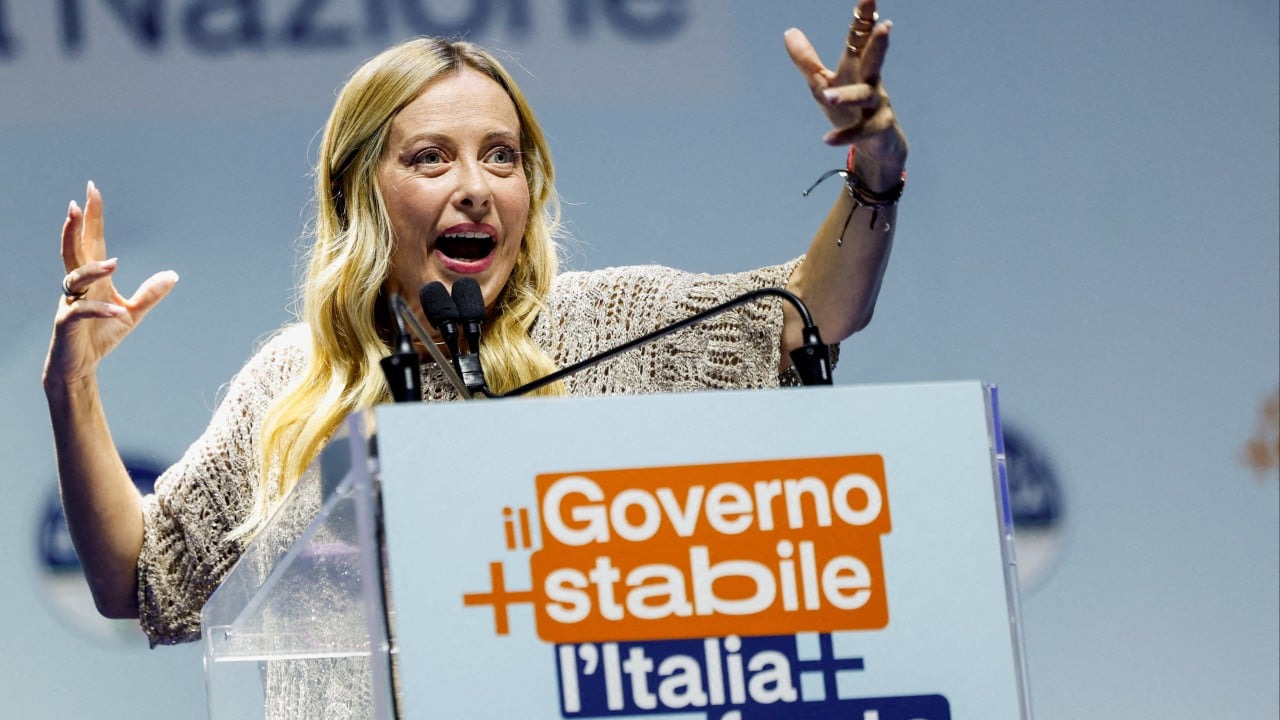
Education policy in southern Europe is shifting fast. Prime Minister Giorgia Meloni’s cabinet just approved a sweeping decree that introduces strict rules for classrooms across the country. If you've been following European migration debates, you know integration has long been a flashpoint. Now, Rome is turning rhetoric into direct classroom policy by banning face-covering garments like the burqa and niqab in schools while capping pupils with poor Italian proficiency at 30 percent per class.
Let's look past the political headlines. What do these changes actually mean for everyday classrooms, teachers, and immigrant families trying to build a life in Italy?
Inside the New Classroom Rules
The decree targets two major areas: student identification and language integration. Under the new guidelines, any face-covering veil that prevents a student from being identified is strictly banned in curricular and extracurricular school spaces. Fines for non-compliance can reach up to 1,000 euros, with penalties falling on parents if the violator is a minor. It's worth noting that standard hijabs, which cover the hair and neck but leave the face visible, are not included in this restriction.
Simultaneously, the government is enforcing a hard 30 percent ceiling on students who lack an adequate command of the Italian language. While a flexible guideline regarding foreign student numbers has technically existed since a 2010 ministerial memorandum, this new decree puts teeth behind the concept. Classrooms with heavy concentrations of non-native speakers will face redistribution mandates.
Furthermore, if a child struggles deeply with integration or language barriers, their parents are now required to attend free Italian lessons. Skipping these classes can trigger involvement from social services alongside financial penalties.
The Practical Reality for Schools
On paper, the policy aims to prevent isolated communities and ensure language acquisition happens quickly. Education Minister Giuseppe Valditara pointed out that thousands of classes currently exceed a 30 percent threshold of foreign students, arguing that severe language gaps hold back entire cohorts.
Headmasters and local authorities, however, are scrambling to figure out the logistics. Redistribution isn't simple. Many smaller towns and districts don't have alternative schools nearby to absorb displaced students. Child welfare advocates, including organizations like Save the Children, argue that moving kids away from their peer groups based on language skills creates artificial tiers of students, dividing classrooms instead of uniting them.
Critics from the opposition, led by figures like Elly Schlein, view the timing as a calculated political maneuver ahead of upcoming general elections. They call the decree a punitive measure rather than a structural fix for underfunded educational resources.
What Comes Next for Families
If you're an immigrant family navigating the Italian school system right now, the rules demand immediate attention. Language proficiency is no longer just an academic recommendation; it's a legal requirement tied directly to parental accountability. Schools are gearing up to offer more language support resources, but the pressure on households to adapt overnight is immense.
Integration is a two-way street that requires institutional backing and community trust. Whether these new measures bridge the gap or widen social divides will depend entirely on how local municipalities handle the rollout.
Italy Bans Islamic Face Veils In Schools, Non ...
This video provides a direct visual report on Italy's cabinet decision to approve the school decree targeting face coverings and non-Italian speaking student caps.