Negotiating a bilateral trade agreement between Washington and New Delhi is never simple. Every time officials claim a breakthrough is near, reality steps in.
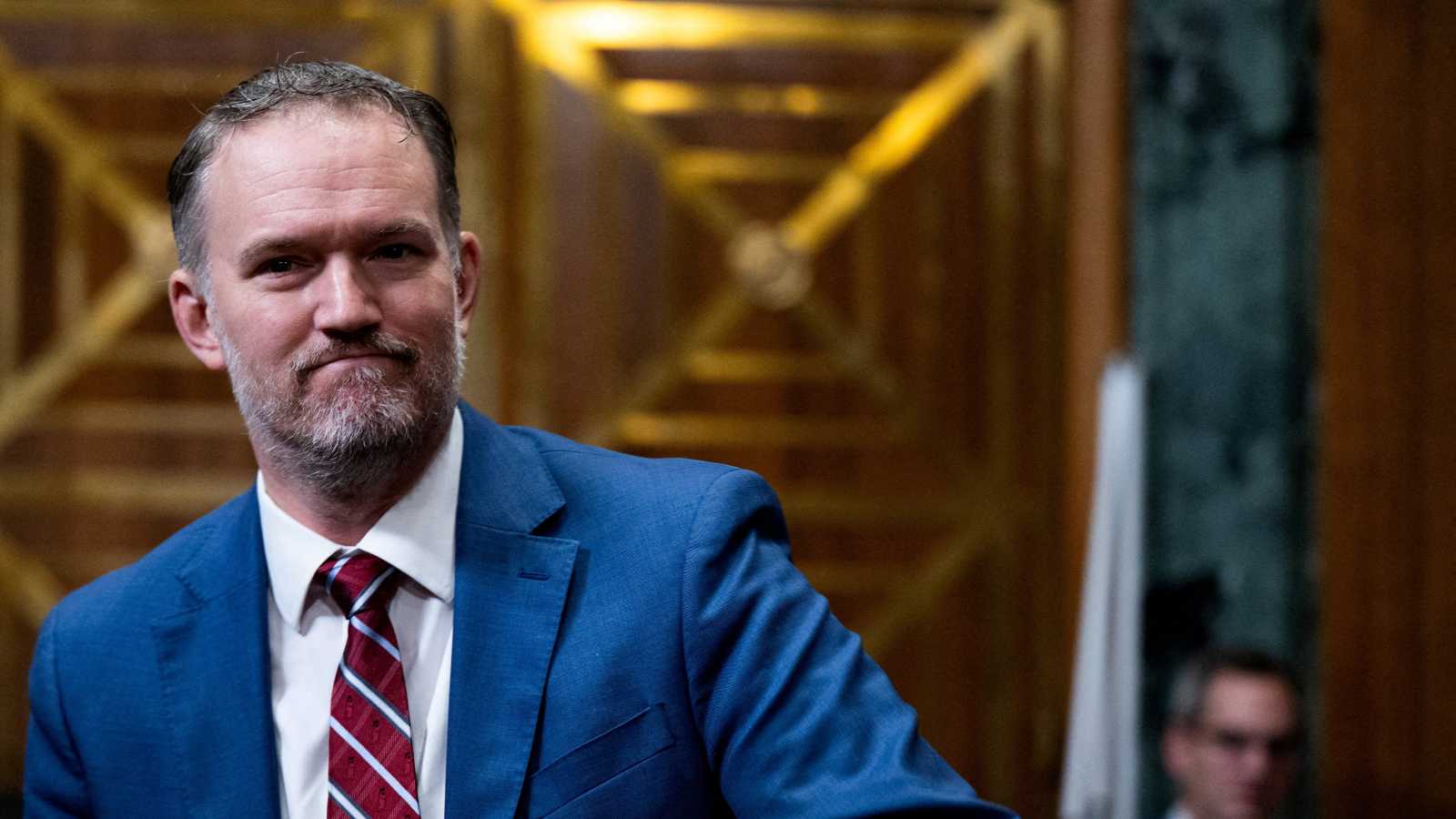
US Trade Representative Jamieson Greer recently laid out the state of affairs at the G20 trade ministerial meeting in Milwaukee. He noted that while discussions are constructive and entering what Americans call the "short strokes," an immediate deal isn't happening tomorrow. Officials have mapped out the remaining sticking points, but crossing that final line takes time.
If you are tracking global commerce, you know the narrative swings wildly every few days. Indian Commerce Minister Piyush Goyal previously asserted the pact was basically "done and dusted," waiting only on the right competitive advantage against rivals like China, Bangladesh, and ASEAN nations. Yet Greer's recent commentary injects a dose of realism into the room.
What the Short Strokes Actually Mean
When top trade negotiators talk about being in the home stretch, casual observers assume ink is about to dry. It doesn't work that way.
In high-stakes diplomacy, the final phase involves locking down specific tariff lines, intellectual property protections, and market access rules. Greer pointed out that both sides have successfully identified the universe of problematic items. That sounds bureaucratic, but it is actually progress. Teams know exactly what they are fighting over.
Instead of vague diplomatic disagreements, negotiators are looking at hard data points. They are dealing with specific export categories, agricultural quotas, and digital service regulations.
The Real Battlegrounds Behind Closed Doors
Why is a deal still not imminent despite high-level talks and a constructive phone call between Prime Minister Narendra Modi and President Donald Trump?
The friction points come down to competitive advantages and domestic economic protection. India wants clear leverage in the American market to ensure its exporters don't lose ground to regional competitors. On the American side, trade policy focuses heavily on supporting domestic supply chains without over-expanding global production.
When you balance New Delhi's push for competitive edge against Washington's protectionist priorities, compromises take months to draft. You cannot rush these terms. One miscalculated clause can disrupt billions of dollars in manufacturing and tech trade overnight.
What to Watch Next
Stop waiting for a sudden surprise announcement. Trade deals of this magnitude rarely materialize overnight without prior leaks of the exact text.
Pay attention to staff-level meetings happening on the ground in both capitals. Look for concrete updates on pharmaceutical tariffs, tech supply chain agreements, and agricultural access. Until those specific text items clear the remaining roadblocks, expect more talks rather than signed treaties.