For years, New Delhi stuck to a comfortable diplomatic script. Whenever world leaders pushed for a hard stance on the Russia-Ukraine conflict, Indian officials repeated a familiar line: dialogue and diplomacy are the only way forward. It was a safe posture. It kept ties intact with both Moscow and Western capitals without forcing a choice.
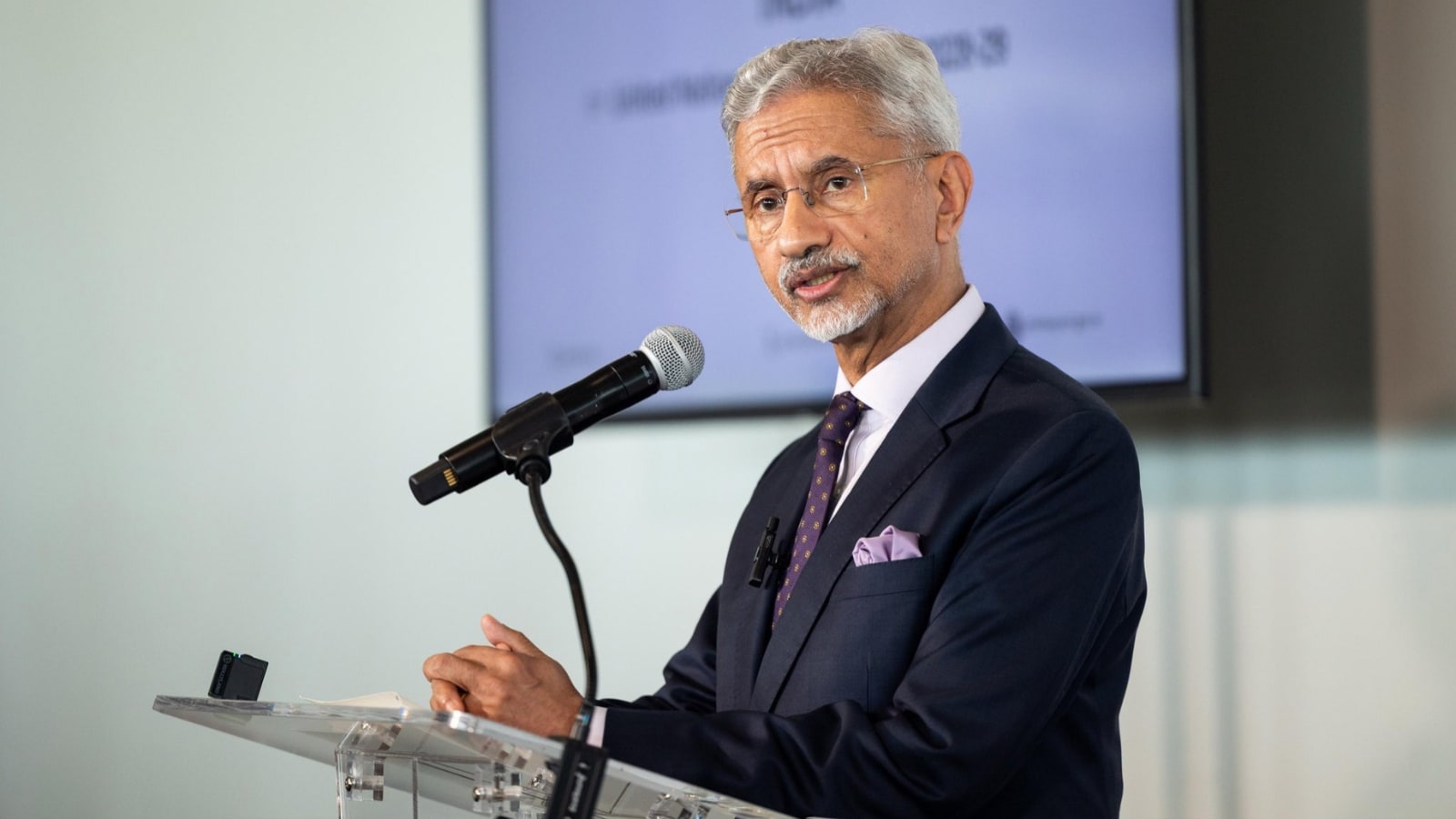
That script just changed. External Affairs Minister S. Jaishankar recently admitted that India has moved well beyond quiet advocacy. New Delhi is now actively engaging both sides to tackle immediate bottlenecks like grain exports and energy security. This isn't just about neutrality anymore. It's an active diplomatic push to prevent long-term global fallout.
The Shift From Talking to Doing
Why the sudden gear shift? For a long time, critics accused India of sitting on the fence while profiting from discounted Russian oil. But staying passive isn't an option when supply chains you rely on keep fracturing.
When Prime Minister Narendra Modi visited Kyiv and Moscow, he hammered home a simple truth: solutions won't emerge from the battlefield. Ukrainian officials later confirmed receiving separate peace proposals involving India, pointing to a behind-the-scenes mediation effort that goes far beyond public speeches.
Jaishankar made it clear that New Delhi isn't trying to impose a settlement. Instead, Indian diplomats are managing immediate, practical pain points. Think about grain corridors, fertilizer access, and non-attack understandings for critical infrastructure. These targeted conversations keep the channels open when formal peace summits stall out.
Walking a Tightrope Between Moscow and Kyiv
Managing this balancing act requires immense diplomatic discipline. You can't alienate Moscow, which remains a vital supplier of energy and defense equipment. At the same time, you can't ignore Kyiv and its Western allies, especially when European nations expect developing economies to respect territorial integrity.
India's strategy rests on a pragmatic premise. If you want a seat at the table when the eventual post-war architecture gets built, you have to talk to everyone. Russian President Vladimir Putin has openly noted that Modi brings constructive ideas to the table, while Ukrainian President Volodymyr Zelenskyy has welcomed New Delhi's willingness to help.
This isn't traditional Western-style mediation. It's quiet shuttle diplomacy driven entirely by national interest and economic survival.
What This Means for Global Diplomacy
The old playbook of international relations is breaking down. Middle powers like India refuse to take marching orders from traditional superpowers. Instead, they are carving out independent paths to secure their own economic futures.
If you're watching global geopolitics, don't expect India to act as a classic peacebroker holding formal summits in Geneva. Expect something messier and more direct: backroom conversations, pragmatic energy deals, and targeted interventions to keep global trade moving.
Watch how both sides respond to these backchannel proposals over the coming months. The real test of India's diplomatic weight won't be how loud it speaks, but whether it can keep the wheat flowing and the missiles away from critical ports.