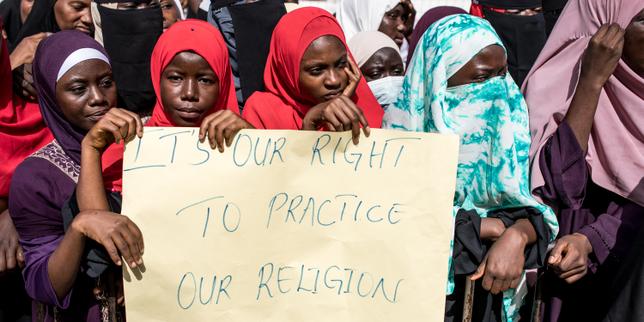
When a pro-excision campaign goes viral on social networks, it exposes a grim reality about how patriarchal control adapts to modern technology. We aren't just fighting outdated traditions in remote villages anymore. Online platforms now amplify campaigns that rebrand mutilation as a safeguard for girls, masking deep-seated systemic control behind slick digital messaging.
Political scientist Ornella Moderan cuts straight through the noise surrounding these digital movements. She points out that practicing excision means perpetuating a specific, toxic idea of virility at the direct expense of women's physical integrity. It isn't about culture or preservation; it's about power.
The Illusion of Protection Online
Recent viral waves on platforms in regions like Mali show how proponents of female genital mutilation (FGM) have modernised their outreach. Instead of defending violence outright, online campaigns frame cutting as a protective measure or a pillar of moral purity. It's a clever public relations trick designed to reverse decades of human rights progress.
When you look closely at the data, the scale of the crisis becomes undeniable. In countries where the practice remains legal or weakly penalized, prevalence rates among women aged 15 to 49 sit near 89 percent. Thousands of infant girls face this trauma every year because local legal gaps shield perpetrators. Mali’s recent penal codes might penalize general violence, but they consistently stop short of naming FGM directly. That omission isn't an accident. It reflects legislative hesitation born from powerful conservative lobbies that have blocked reform efforts for decades.
How Control Disguises Itself as Tradition
Let's be honest about what keeps these practices alive. Supporters lean heavily on claims of religious duty or cultural heritage. Yet, both claims fall apart under scrutiny. The underlying mechanism relies entirely on policing female sexuality.
Societal expectations in heavily impacted regions often normalize women's suffering, casting endurance as a badge of honor. Uncut women frequently face intense social stigma, accused of poor morality. Communities use this manufactured shame to keep women compliant. When you strip away the justifications, excision functions as a physical manifestation of male dominance. It permanently alters a person's body to satisfy patriarchal norms of purity and obedience.
Moving Beyond Empty Legal Gestures
Banning the practice on paper changes nothing if enforcement remains weak and social stigma goes unchallenged. Activists have pushed for true legislative reform since independence movements, yet political compromises keep letting victims down.
Real change requires more than internet counter-campaigns or vague governmental condemnations. It demands holding leaders accountable, closing legislative loopholes that protect abusers, and dismantling the toxic notions of masculinity that treat women's bodies as public property. Protecting bodily autonomy isn't a western imposition; it's a fundamental prerequisite for human dignity. If we don't confront the roots of male entitlement head-on, these cyclical resurgences will keep finding new ways to survive in the digital age.


:max_bytes(150000):strip_icc()/copenhagen-dk-COPENHAGENTG0721-4a481cb6025b43d1a781b1571b144f46.jpg)