Traditional power plants rely on a century-old trick: burn fuel, boil water, and use the resulting steam to spin a turbine. It works, but it's wildly inefficient. Water requires massive amounts of thermal energy to phase-change into steam, and massive cooling towers to condense it back down. Enter a radically different approach that is breaking ground right now in eastern China.
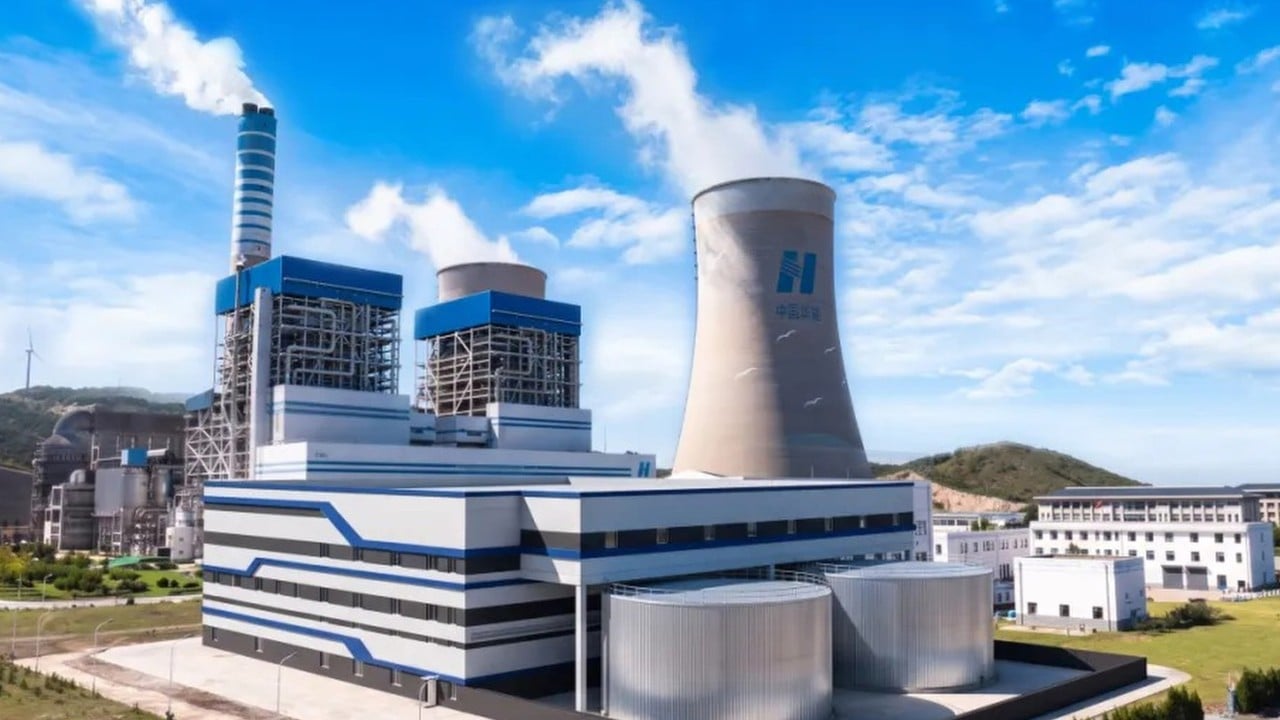
China recently started construction on the Ruitan demonstration project at Huaneng's Bajiao power station in Yantai, Shandong province. This utility-scale facility combines two breakthrough concepts: supercritical carbon dioxide power generation and molten salt energy storage. Instead of just building another standard battery farm or conventional peaker plant, engineers are pairing a 50-megawatt supercritical CO2 turbine with a 100-megawatt, 400-megawatt-hour molten salt thermal storage system.
If you've been following energy tech, you know grid stability is the ultimate bottleneck for modern power systems. You can build all the wind and solar farms you want, but without reliable storage and rapid-response generation, you're looking at massive curtailment and wasted electricity. This project aims to fix that structural flaw.
What Supercritical CO2 Actually Means
Let's clear up the jargon. When carbon dioxide is heated and pressurized past its critical point, it enters a supercritical state. It stops acting like a standard gas or a liquid and instead behaves as a dense fluid possessing the properties of both.
In a power cycle, this supercritical CO2 replaces steam entirely. Because supercritical CO2 has a much higher density and energy density than water vapor, the physical turbine can be a fraction of the size. A power plant running on carbon dioxide can fit into a significantly smaller footprint than a traditional steam plant, while delivering higher thermal efficiency.
Furthermore, these systems don't rely on massive water supplies for cooling, which is a massive win for arid regions or areas facing strict environmental regulations. The closed-loop circuit keeps the carbon dioxide locked inside, meaning you aren't venting greenhouse gases into the atmosphere—you're using captured or industrial CO2 as a permanent working fluid to turn generators.
The Role of Molten Salt Storage
Energy storage usually makes people think of lithium-ion batteries. But chemical batteries degrade over time, face supply chain hurdles, and can be expensive at massive grid scales. The Ruitan project takes a different route by utilizing molten salt.
During periods of low electricity demand, excess power from existing coal-fired combined heat and power units at the Bajiao station will be diverted to heat up large tanks of liquid salt. This converts electricity into thermal energy with high efficiency. When grid demand spikes later in the day, that stored heat is tapped to run the supercritical CO2 turbine system, generating electricity cleanly and rapidly.
This "power bank" approach offers operational flexibility that traditional plants can't touch. According to state media reports, these systems can adjust their output from zero to maximum load four times faster than standard coal-fired units. That kind of ramp rate is vital for managing sudden spikes or drops in renewable energy generation.
Moving Past Small Scale Pilots
This isn't happening in a vacuum. Late last year, China commercialized "Chaotan One," a smaller supercritical carbon dioxide unit in Guizhou province that harnesses waste heat from a steel production facility. Other projects, like the Dangxiong concentrated solar power plant in Tibet, are also adopting molten salt thermal storage to capture high-altitude solar energy.
However, the Ruitan project in Shandong scales this concept up to a true utility-sized level. Scheduled to go into operation next year, it will serve as the world's first commercial-scale testbed integrating both technologies simultaneously. If it succeeds at scale, expect engineering firms worldwide to rethink how future thermal and nuclear power units are designed.
The transition away from steam isn't just an academic exercise. It's a structural redesign of how humanity extracts mechanical work from heat. Keep your eyes on Yantai over the next twelve months. The results coming out of Shandong will determine whether supercritical fluids become the new gold standard for global electricity grids.
This video provides an inside look at how supercritical carbon dioxide power generation functions in real-world commercial operations.
http://googleusercontent.com/youtube_content/1