When the United States Navy locked down the Persian Gulf, Washington thought it had choked off Iran's economic lifeline for good. With the Strait of Hormuz effectively paralyzed, international trade heading into major southern Iranian hubs ground to a sudden halt. But nations under pressure don't just roll over. Tehran immediately started looking north, pivoting hard toward the landlocked waters of the Caspian Sea to keep vital imports flowing.
It sounds like a neat strategic escape hatch on paper. In reality, it is a band-aid on a massive economic wound.
The Limits of Northern Trade
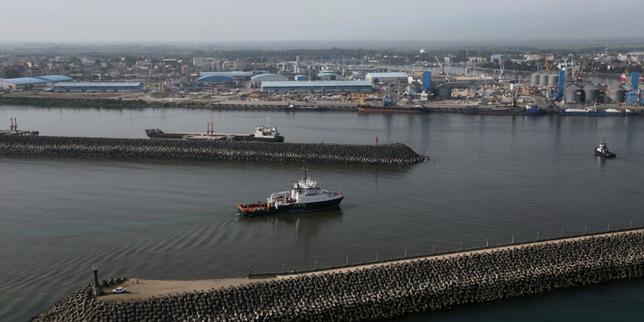
Let's be clear about what the Caspian Sea can and cannot do. It is the world's largest enclosed body of water, bordered by Russia, Kazakhstan, Turkmenistan, Azerbaijan, and Iran. Because it sits completely detached from the open ocean, the U.S. Navy cannot sail warships in to enforce a direct blockade there. This geographic reality has turned northern ports like Bandar Anzali into busy conduits for alternative supplies.
Grain, corn, sunflower oil, and industrial components are arriving from Russia and Central Asian neighbors via northern shipping lanes. At the same time, overland truck routes through Pakistan, Turkey, and Armenia are working overtime to bring in consumer essentials like rice and baby formula.
Yet, treating this as a full substitute for maritime commerce is a mistake. As applied economics experts point out, trucking goods overland and moving cargo through confined northern ports is drastically more expensive and strictly limited by physical fleet capacity. You simply cannot swap out a massive maritime container economy on a one-for-one basis.
Why Energy Exports Tell a Different Story
Importing food and basic industrial materials is one thing, but keeping a national economy afloat requires selling oil. Most of Iran's major oil and gas fields, storage terminals, and export infrastructure are clustered around Kharg Island and the southern Gulf coast.
When the southern maritime chokepoints close, the core of the state's revenue engine stalls. While some shadow tankers manage to slip past the net or turn off their tracking transponders to smuggle hydrocarbons through regional loopholes, the volume is a fraction of normal capacity. Analysts estimate that northern logistics and minor overland detours can compensate for only a tiny percentage of the lost southern throughput—nowhere near enough to prevent deep economic strain.
The Geopolitical Balancing Act
This northern pivot has also turned the region into a focal point for deeper cooperation between states sanctioned by the West. Moscow and Tehran have leaned heavily into alternative payment networks and localized currency trading to bypass the dollar-dominated global financial architecture.
At the same time, this strategic vulnerability hasn't gone unnoticed by adversaries. Military incidents near northern facilities highlight how fragile these alternative corridors really are when targeted by advanced kinetic strikes or drone activity.
Navigating a total naval blockade requires immense logistical improvisation, but geography remains an unyielding master. The northern waters offer a temporary breathing tube, not a permanent lung.
Take a hard look at the numbers. High transit costs and restricted port capacities mean inflation will chew through domestic purchasing power regardless of how many trucks cross the border. Don't expect trade adjustments to replace what was lost in the south. Prepare for prolonged supply friction.