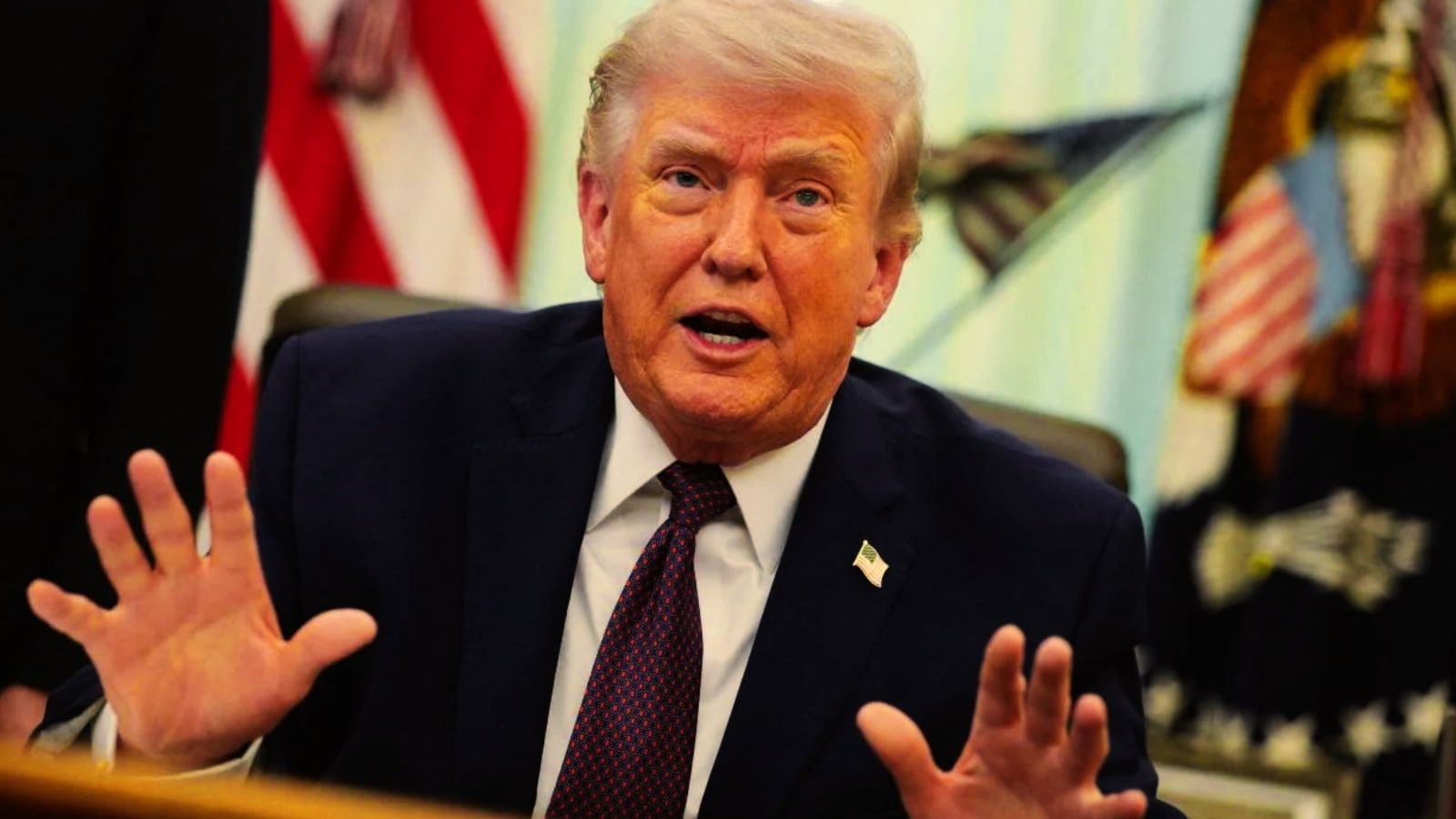
Geopolitics rarely operates in a vacuum. When US President Donald Trump stood before the United Nations General Assembly and declared that Cuba "will fall," describing the island as a failed state and a haven for foreign adversaries, the words echoed far beyond Washington. Within days, Beijing stepped forward with a direct rebuttal, promising unyielding support for Havana's national sovereignty and its right to chart its own course.
If you are wondering why Beijing cares so deeply about a Caribbean island ninety miles off the Florida coast, the answer lies in the shifting dynamics of global power, energy security, and great-power competition.
The Mounting Pressure on Havana
Cuba is currently navigating its most severe economic turmoil in decades. Walk through the streets of Havana or look at regional energy reports, and you will see an island grappling with persistent fuel shortages, collapsing power grids, and acute scarcity of basic goods. Decades of American sanctions have squeezed the national economy, but the situation deteriorated dramatically when traditional oil lifelines dried up.
With shipments from Venezuela and Mexico slowing to a trickle—compounded by shifts in regional leadership and Washington's tariff threats against suppliers—the Cuban energy grid has buckled. Power outages have become a daily reality for millions.
Washington views these vulnerabilities as an opening. Following an executive order branding Havana's policies an extraordinary threat to national security, the current US administration has tightened the economic screws. Officials in Washington argue that the policy is designed to counter foreign adversaries and encourage democratic transition.
Havana sees it differently. Cuban officials argue that the measures amount to an economic and energy blockade intended to starve the population into political submission. Foreign Minister Bruno Rodriguez recently characterized these tactics at the UN as an act of war, pointing to the deliberate targeting of fuel tankers and financial channels.
Why Beijing Is Drawing a Line in the Caribbean
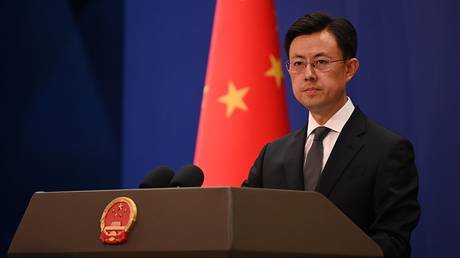
Enter China. Marking 66 years of diplomatic relations, Chinese Foreign Ministry spokesman Guo Jiakun made it clear that Beijing will not stand idly by while Washington tries to engineer regime change in Havana.
China's backing is not just rhetorical diplomacy. Beijing views Cuba as a crucial strategic partner in Latin America, mirroring its broader foreign policy stance against unilateral sanctions, extraterritorial pressure, and forced regime change. For China, supporting Cuba serves multiple strategic purposes:
- Challenging US Monopolies in the Western Hemisphere: Beijing consistently pushes back against Washington's traditional dominance in Latin America, often referred to through the lens of the Monroe Doctrine.
- Defending Sovereign Autonomy: By backing sanctioned states like Cuba, Iran, or Venezuela, China normalizes alternative economic networks and mutual defense frameworks that bypass Western financial systems.
- Securing Diplomatic Alliances: In multilateral forums like the United Nations, Cuba remains a reliable vote and voice for Beijing's positions on global governance and human rights.
What Happens Next
The confrontation between Washington and Havana is entering a volatile phase. As the US ramps up economic isolation and external pressure, Cuba's leadership is looking outward for financial lifelines, diplomatic cover, and energy aid. China's public commitment guarantees that Havana will not stand entirely alone, turning the Caribbean into another flashpoint for multipolar rivalry.
Look past the fiery rhetoric at international summits. The real battle is being fought in supply chains, energy markets, and diplomatic corridors, where the outcome will shape the balance of power across the Americas for years to come.