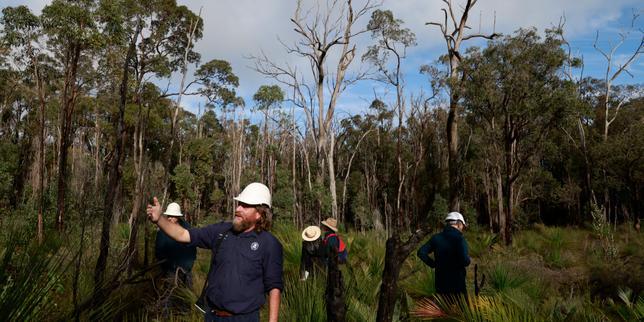
You can smell an Australian eucalypt forest long before you actually see it. That sharp, herbal punch of volatile oils hangs heavy in the air, whispering tales of an ancient landscape that has survived fire, drought, and millennia of isolation. But today, these iconic woodlands are facing a threat far more dangerous than lightning strikes or seasonal heatwaves. We are chipping away at them, logging them, and fragmenting them until nothing is left of their original majesty.
Scientists and conservationists are sounding the alarm louder than ever. The message is blunt: we need to stop touching these ancient ecosystems before they pass a tipping point from which they can never return.
The Reality of Australia's Vanishing Woodlands
When people picture Australian nature, they usually think of endless stands of towering eucalyptus trees, home to koalas, gliders, and countless endemic birds. These forests cover millions of hectares, stretching from the wet gullies of the south-east to the dry fringes of the interior. Yet, scale can be deceptive. Just because a map shows green coverage doesn't mean the ecosystem is healthy, biodiverse, or old-growth.
Ancient eucalyptus forests, including unique ecosystems like the jarrah and mountain ash habitats, operate on geological time scales. A tree standing ninety meters tall isn't just wood; it's a living archive. These giants house hollows that take centuries to form. If you cut down a three-hundred-year-old tree today, you aren't just taking timber. You are evicting a dozen dependent species that cannot simply pack up and move next door.
Commercial logging, expanding infrastructure, and poorly managed land policies continue to nibble away at these ancient tracts. Even when forests are allowed to regrow, secondary growth lacks the complex, multi-layered structural integrity of the original wild places.
Why Fire and Logging Don't Mix Well
Eucalyptus trees are famously adapted to fire. Their oil-rich leaves burn hot and fast, and many species actually rely on flames to release seeds or trigger epicormic growth from their trunks. Nature designed these trees to bounce back from natural bushfires.
Human interference is an entirely different story. Modern climate pressures have intensified fire seasons, turning what used to be ecological resets into catastrophic megafires. When you log an ancient forest, you open up the canopy. The understory dries out, invasive weeds move in, and the microclimate shifts dramatically. The forest becomes more flammable, not less.
By continuing to log or clear these zones for short-term economic gains, we disrupt the delicate feedback loops that kept these ecosystems stable for thousands of years. It’s an ecological shell game, and the house always wins—except the house is burning down.
What Protecting These Forests Actually Takes
Stopping the destruction isn't just about drawing lines on a map and calling it a national park. True preservation requires a fundamental shift in how society views land management.
- End commercial logging in old-growth zones: Transition the timber industry entirely to existing plantations rather than touching remnant native forests.
- Listen to Indigenous land custodians: Traditional owners managed these landscapes with fire and care for millennia before colonial intervention. Giving them genuine authority over conservation policy changes the game.
- Restore ecological connectivity: Wildlife corridors need protection so isolated animal populations can move, breed, and adapt to shifting climate pressures.
You can't negotiate with an extinct species. Once these ancient eucalyptus domains are fragmented beyond repair, no amount of replanting will bring back the complex web of life that took centuries to build. It is time to leave the wilderness alone.